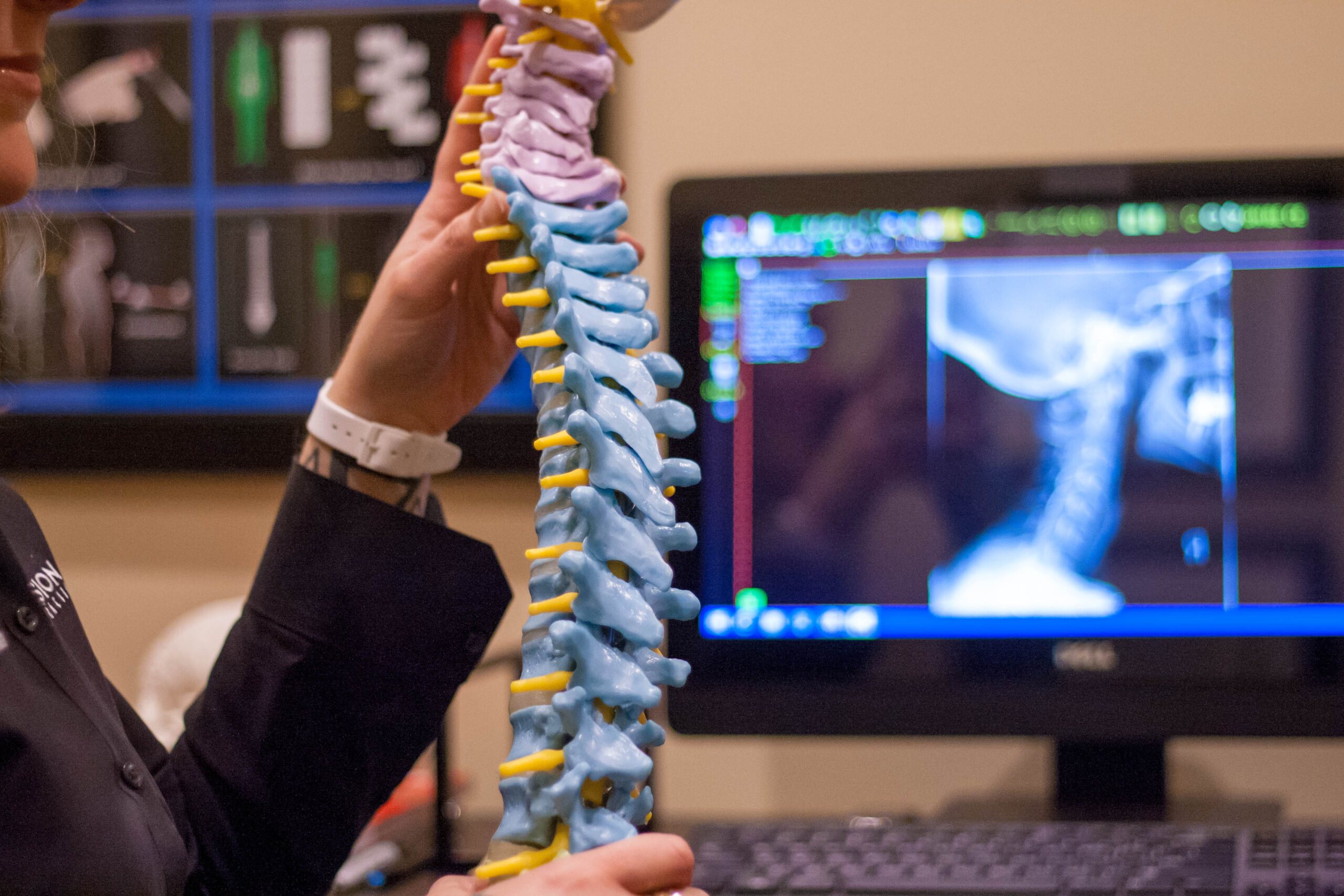
Headaches can range from an occasional annoyance to a problem that significantly interferes with work, sleep, exercise, and everyday life. Migraine can be even more disruptive and may include throbbing pain, nausea, sensitivity to light or sound, visual symptoms, and other neurological symptoms.
At Precision Chiropractic, we do not assume that every headache or migraine originates in the neck. Our goal is to determine whether dysfunction in the upper cervical spine may be one clinically relevant factor in an individual patient’s headache pattern and whether upper cervical care is appropriate.
Not Every Headache Is the Same
“Headache” describes a symptom, not a single condition.
Migraine is a neurological disorder and can occur with or without significant neck dysfunction. Neck pain and stiffness are also common during migraine attacks and may sometimes be part of the migraine itself rather than the cause of it.
Other headaches can originate from structures in the cervical spine. These are commonly referred to as cervicogenic headaches, meaning the pain is perceived in the head but is referred from a problem in the neck.
This distinction matters because the appropriate approach depends on what appears to be contributing to the individual patient’s symptoms.
How Can the Neck Contribute to Head Pain?
The upper cervical spine contains joints, muscles, nerves, and other pain-sensitive structures that can refer pain into the head.
The upper cervical region also has close neurological relationships with pathways involved in head and facial sensation. Because of these connections, dysfunction within the cervical spine can sometimes contribute to pain that is perceived in areas such as the back of the head, temples, forehead, or around the eyes.
Cervicogenic headaches are often associated with cervical dysfunction, restricted neck motion, or headaches that are aggravated by certain neck positions or movements.
When Might the Upper Cervical Spine Be Worth Evaluating?
An upper cervical evaluation may be worth considering when headaches occur along with:
- Neck pain or stiffness
- Reduced neck range of motion
- Headaches that seem to begin in the neck or back of the head
- Symptoms that worsen with certain neck positions or movements
- Previous whiplash, car accidents, falls, concussion, or other head and neck trauma
- Persistent postural or spinal compensation
- Headaches that repeatedly return despite previous symptom-focused treatment
These findings do not prove that the neck is causing the headache, but they may provide a reason to evaluate the cervical spine more closely.
What About Migraine?
Migraine is more complicated.
A patient can have migraine and a meaningful upper cervical problem at the same time.
For us, the question is not simply:
“Is the atlas causing your migraine?”
The better question is:
“Does this patient have an identifiable upper cervical problem that could be contributing to the overall clinical picture, and does addressing that problem produce meaningful change?”
Migraine may require medical management, medication, lifestyle modification, trigger management, neurological care, or other treatment regardless of whether cervical dysfunction is also present.
Upper cervical care should complement appropriate migraine care when indicated, not replace it.
Our Approach to Headaches & Migraines
1. Understand Your Headache Pattern
We begin with your history.
We want to understand:
- Where the headache begins
- How it progresses
- How often it occurs
- What other symptoms accompany it
- Whether neck movement changes it
- Whether there has been previous head or neck trauma
- What treatment you have already tried
- Whether your headache pattern has recently changed
These details can help us understand whether the cervical spine may be contributing to the problem.
2. Examine the Upper Cervical Spine
If your history suggests that the cervical spine may be relevant, we perform an objective examination of the upper cervical region and the rest of the spine.
We are looking for meaningful patterns of dysfunction rather than simply assuming that tenderness, pain, or an imperfect-looking X-ray requires treatment.
3. Advanced Imaging When Appropriate
When clinically indicated, advanced imaging helps us evaluate your individual anatomy and the relationship between the head and upper cervical spine.
Imaging is considered together with your history and examination findings rather than being used by itself to determine whether care is necessary.
4. Gentle, Precise Correction
If an upper cervical problem appears clinically meaningful, a precise upper cervical correction may be recommended.
Corrections are performed gently and without routine twisting or cracking of the neck.
5. Reassess
After a correction, we reassess.
We want to know not only whether your headaches are changing, but also whether the objective problem we identified appears to be improving.
We Are Looking for an Underlying Problem, Not Simply Chasing Pain
Headache relief is important.
But our clinical goal is not simply:
“Your head hurts today, so let’s try to make the pain go away today.”
We want to determine whether there is a recurring structural or functional problem within the spine that may be contributing to why the headaches continue to return.
When such a problem is present, our objective is to address it and monitor whether it improves rather than focusing exclusively on temporary symptom relief.
When Headaches Need Medical Evaluation
Most headaches are not medical emergencies, but certain headache patterns require prompt medical evaluation.
Seek urgent or emergency medical care for symptoms such as:
- A sudden, extremely severe or “worst ever” headache
- New weakness or numbness
- Confusion or difficulty speaking
- Loss of consciousness
- Seizures
- Fever with significant neck stiffness
- New severe visual changes
- A severe or worsening headache following a head injury
A significant or unexplained change in your usual headache pattern should also be discussed with an appropriate healthcare professional.
Is Your Neck Part of the Problem?
If you have recurring headaches or migraines and also experience neck pain, stiffness, previous injury, or other findings that make you wonder whether the upper cervical spine may be involved, an evaluation may help clarify the picture.
Our goal is to determine whether there is a meaningful upper cervical problem, not to assume that every headache requires chiropractic care.
Schedule a Consultation
If you would like to determine whether upper cervical chiropractic may be appropriate for you, start with a consultation at Precision Chiropractic.
We’ll listen to what you have been experiencing, explain our approach, and determine whether further evaluation makes sense.