Precision Chiropractic

  • Facebook
  • Twitter

Schedule a Consultation 904.310.0064

  • Home
  • Upper Cervical
  • Conditions
    • Dizziness & Vertigo
    • Migraines & Headaches
    • Dysautonomia & Autonomic Symptoms
    • Neck Pain & Whiplash
  • Meet Your Doctor
  • Schedule a Consultation
  • Blog
  • Contact Us

Why Quick Fixes Keep You Broken

December 4, 2025 By Dr. Kevin Lin

Your body tells a story, but it’s not written in a single moment. Think about the last time you noticed pain or dysfunction. Whether it was your back, your neck, or another part of your body, that sensation didn’t appear from nowhere—it was the culmination of weeks, months, or even years of accumulated stress, compensation, and adaptation. Disease and dysfunction are processes, not events.

Here’s the paradox that trips up most people: we expect healing to be instantaneous when the problem itself took years to develop. You wouldn’t expect a savings account to grow overnight, yet we often expect our bodies to reverse months or years of breakdown in a single appointment or a week of better choices. This misalignment between our expectations and biological reality is where most health decisions go wrong.

Consider how a disc develops a fissure or how spinal degeneration progresses. It doesn’t happen because you bent over one time. It happens because of thousands of repetitions—poor posture at your desk, compensating for an old injury, lifting with compromised mechanics, or simply the accumulated load of daily life without adequate support or maintenance. Each instance is small, often painless, and easily ignored. But the tissue is keeping score. Collagen fibers fray. Inflammatory processes simmer quietly. Mechanical stress redistributes in ways that create vulnerability. By the time you feel something, you’re already deep into a process that’s been unfolding for quite a while.

The good news? Healing follows the same principle—it’s a process, and that means every positive choice you make contributes to the trajectory, even when you can’t see or feel it immediately. When you maintain proper spinal alignment, you’re not just “feeling better in the moment.” You’re allowing discs to hydrate properly, reducing inflammatory signals, and creating an environment where tissues can actually repair. When you strengthen your core and improve your movement patterns, you’re building resilience that will serve you years down the road, long after you’ve forgotten today’s exercises.

This process perspective fundamentally changes how you make decisions. In the short term, it means understanding that relief isn’t the same as resolution. Feeling better is wonderful, and it matters, but it’s often just the first mile marker in a longer journey. If you stop when the pain stops, you’re leaving the underlying process unaddressed, which is why so many people find themselves back in crisis mode months later, frustrated and confused about why the problem “came back.” It didn’t come back—it never left. You just stopped feeling it for a while.

In the long term, the process perspective becomes even more powerful. It shifts your entire orientation from reactive crisis management to proactive stewardship. Instead of asking “How do I fix this problem right now?” you start asking “What am I building with my daily choices?” You begin to see your spine, your nervous system, and your overall structural health as something you’re actively cultivating, not just repairing when it breaks down. This is the difference between patching a leak and maintaining the integrity of the entire system.

The patients who embrace this perspective make different choices. They show up consistently for care even when they feel fine, because they understand they’re investing in tissue health and mechanical stability, not just chasing pain relief. They do their exercises not because they’re “supposed to,” but because they recognize they’re participating in an ongoing process of strengthening and adaptation. They think twice before spending eight hours in a compromised position, because they understand that today’s choices are writing tomorrow’s story.

Your body is always in process—the only question is which direction that process is heading. Every day, you’re either building resilience or accumulating vulnerability. Every choice either supports the healing trajectory or feeds the breakdown cycle. When you understand this, you stop making decisions based solely on how you feel in this moment and start making decisions based on where you want to be in six months, a year, five years.

Healing isn’t a light switch. Neither is disease. They’re both rivers, flowing in opposite directions, and you get to choose which one you’re swimming in—not with a single dramatic gesture, but with the accumulated weight of small, consistent choices made over time.

The process is the point. Trust it, commit to it, and you’ll find that your body responds in ways that short-term thinking could never achieve.

Filed Under: Blog Tagged With: Amelia Island, Chiropractic, Fernandina Beach, Neurology, Upper Cervical Chiropractic

Standing Tall : How Your Spine Was Designed to Resist Gravity

October 29, 2025 By Dr. Kevin Lin

Every moment of your life, gravity is pulling you down.
It never rests. It never turns off. Every second you stand, walk, or sit, your spine is quietly working to resist this invisible force — protecting your brain, spinal cord, and posture from collapse.

Fortunately, your spine wasn’t designed to fight gravity through brute strength — it was designed through architecture and intelligence.

Let’s break down how this remarkable system works… and what happens when it starts to fail.


The Spine: A Living Suspension Bridge

Your spine isn’t a straight column of bone; it’s a living suspension system built for balance, flexibility, and endurance.

  • Curves that absorb shock:
    The “S-shaped” curves in your neck and low back act like springs. When you stand upright, these curves distribute gravitational load evenly — reducing stress on any one area. Flatten or exaggerate these curves, and the spine’s ability to manage force drops dramatically.
  • Discs that act as hydraulic cushions:
    Each disc between your vertebrae functions like a shock absorber — filled with fluid and designed to handle compressive forces from above. When alignment is healthy, pressure is distributed evenly through the disc. When alignment is lost, that pressure becomes uneven, causing tiny tears and fluid loss over time.
  • Muscles and ligaments that create tension support:
    Your muscles, tendons, and fascia form what’s known as tensegrity — a system where tension and compression balance each other. This allows you to stand upright, move efficiently, and resist fatigue.

Your spine resists gravity not by being rigid, but by being perfectly balanced.


When Gravity Wins: How Degeneration Really Starts

Most people believe that spinal arthritis and disc degeneration are simply “wear and tear” or “getting older.”
That’s not the full story.

Degeneration is what happens when your spine stops resisting gravity efficiently.

When posture and balance fail, gravitational forces become uneven — concentrated in small areas instead of distributed evenly. That’s when problems begin:

  1. Misalignment and Forward Head Posture
    A one-inch forward shift of the head adds roughly 10 pounds of extra force to the neck. Multiply that by thousands of hours a year, and those joints begin to break down.
  2. Disc Dehydration and Flattening
    Uneven compression creates micro-fissures in the outer disc layer. Over time, the disc loses water content and height — decreasing its ability to absorb shock.
  3. Arthritic Remodeling
    As the spine loses stability, the body attempts to “splint” itself by building bone — forming osteophytes (bone spurs). It’s the body’s version of self-reinforcement, but it comes at the cost of stiffness, pain, and nerve irritation.

The bone spurs and degeneration often seen on X-rays aren’t the cause of imbalance — they’re the consequence of it.


The Warning Signs: When Your Spine Stops Doing Its Job

Your spine’s job isn’t just to hold you upright — it’s to protect your nervous system, distribute gravitational load, and keep movement efficient.
When it stops doing those things well, you start to feel the effects everywhere.

1. Neck and Shoulder Tension

  • Tightness or burning between the shoulder blades
  • Headaches or stiffness after sitting or driving
  • A feeling of “weight” in the neck

The muscles aren’t the problem — they’re working overtime to hold up a misaligned spine.

2. Chronic Fatigue and Low Energy

  • Feeling heavy or compressed
  • Fatigue despite adequate sleep
  • Slouching or collapsing posture by the end of the day

When alignment is off, gravity becomes a 24-hour workout.

3. Headaches, Dizziness, and Brain Fog

  • Tension headaches
  • Visual strain or lightheadedness
  • Difficulty concentrating

The upper neck is the bridge between body and brain — when that bridge twists, blood and fluid flow suffer.

4. Back Stiffness, Hip Tightness, or Uneven Wear

  • One hip sits higher than the other
  • Chronic stiffness or “locked up” joints
  • Sciatica or uneven gait

These are structural clues that gravity isn’t flowing evenly through your frame.

5. Numbness, Tingling, or Weakness

  • Tingling or numbness in arms, legs, or hands
  • Grip weakness or balance issues

These symptoms suggest gravity is compressing nerves through misaligned joints or discs.

6. Digestive or Sleep Disturbances

  • Shallow breathing or reflux when slouched
  • Poor sleep or restlessness
  • Heightened tension or anxiety

When posture collapses, your autonomic nervous system feels the strain too.

Every one of these symptoms is your body’s way of saying: “I’m losing ground against gravity.”


The Hidden Energy Cost

Every muscle that holds you upright burns energy every second.
When your spine is aligned, gravity passes cleanly through it, and that energy cost stays low.
But when posture collapses, the muscles of your neck, back, and pelvis must constantly fight to keep you from falling forward — a low-grade tug-of-war that drains your stamina and focus.

Posture isn’t about appearance — it’s about energy economy.


The Role of Upper Cervical Chiropractic Care

Gravity affects the body from the top down — which means balance has to begin at the top.
The alignment of the head and neck, specifically the upper cervical spine (the atlas and axis), determines how the rest of the body organizes itself underneath.

When that relationship between the head and neck shifts — even by millimeters — it changes how gravity loads the entire spine. The body compensates by twisting shoulders, tilting the pelvis, tightening muscles, and compressing joints. Over time, those compensations become the source of pain, fatigue, and degeneration.

The upper cervical spine is the body’s master balancing joint — where structure meets neurology.

Why Upper Cervical Alignment Matters

  • The brainstem passes directly through this region and controls posture, balance, muscle tone, and blood flow.
  • Even subtle misalignments can disrupt the body’s ability to sense where “upright” is — altering muscle coordination and joint pressure all the way to the feet.
  • When the atlas (C1) and axis (C2) are precisely aligned, the body naturally resets its posture from the top down — allowing gravity to flow evenly through the spine again.

The Precision Difference

Upper Cervical Chiropractic focuses on exact analysis and gentle correction, not force.
Using advanced imaging and biomechanical measurements, we identify the exact vector of misalignment and apply a correction measured in millimeters and degrees, restoring proper head-to-neck balance.

Once that balance is restored:

  • The spine can unwind naturally below it
  • Muscle tension decreases throughout the body
  • Posture and energy improve without conscious effort
  • The nervous system communicates more efficiently

Upper Cervical care doesn’t just relieve symptoms — it restores the blueprint your body was designed with to resist gravity efficiently.

In Short

Chiropractic care at the upper cervical level isn’t about “cracking” or “loosening.”
It’s about restoring the single most important relationship in the body — the head on the neck — so every system beneath it can function the way nature intended.

Alignment at the top determines balance below.

When your head is on straight, your body doesn’t have to fight gravity — it works with it.


Standing Tall Is a Human Privilege

Standing upright is one of humanity’s defining features. It requires balance, structure, and a finely tuned nervous system.
When your spine loses that balance, gravity slowly reshapes you — compressing joints, wearing down discs, and draining your energy.
But when you restore that balance, gravity becomes your partner — a constant reminder of your body’s intelligent design.

You weren’t built to collapse.
You were built to stand tall.

References

Nachemson AL. The load on lumbar disks in different positions of the body. Clin Orthop Relat Res. 1966;45:107–122.
https://pubmed.ncbi.nlm.nih.gov/5921768/

Urban JP, Roberts S. Degeneration of the intervertebral disc. Arthritis Res Ther. 2003;5(3):120–130.
https://pubmed.ncbi.nlm.nih.gov/12723977/

Bakris GL, Dickholtz M, Meyer PM, et al. Atlas vertebra realignment and achievement of arterial pressure goal in hypertensive patients: A pilot study. J Hum Hypertens. 2007;21(5):347–352.
https://pubmed.ncbi.nlm.nih.gov/17252032/

Grostic JD. Dentate ligament–cord distortion hypothesis. Chiropractic Research Journal. 1986;1(1):47–55.
https://www.chiropracticresearch.org/chiropractic-research-journal-vol-1-no-1-1986/

Eriksen K, Rochester RP. Upper Cervical Subluxation Complex: A Review of the Chiropractic and Medical Literature. Lippincott Williams & Wilkins; 2007.

Kapandji IA. Physiology of the Joints: Volume 3 – The Spinal Column, Pelvic Girdle and Head. Churchill Livingstone; 2008.

Adams MA, Hutton WC. The effect of posture on the lumbar spine. J Bone Joint Surg Br. 1982;64(5):625–629.
https://pubmed.ncbi.nlm.nih.gov/7151191/

Schultz AB, Andersson GB, Haderspeck K, et al. The role of muscles in supporting the lumbar spine. Spine. 1982;7(3):326–333.
https://pubmed.ncbi.nlm.nih.gov/7105535/

Fernández-de-las-Peñas C, Alonso-Blanco C, Cuadrado ML, Pareja JA. Forward head posture and neck pain… Man Ther. 2006;11(4):277–286.
https://pubmed.ncbi.nlm.nih.gov/16996235/

Brinckmann P, Biggemann M, Hilweg D. Fatigue fracture of human lumbar vertebrae. Clin Biomech. 1989;4(1):i–iii.
https://pubmed.ncbi.nlm.nih.gov/2393795/

Filed Under: Blog Tagged With: Amelia Island, Chiropractic, Fernandina Beach, Headaches, neck pain, Neurology

The Curse of Being Pain-Free

October 20, 2025 By Dr. Kevin Lin

Fernandina Beach, Florida
Precision Chiropractic

There’s a saying that captures something profound about human nature: “A healthy man wants many things, but a sick man only wants one thing.”

When you’re feeling good, your mind is full of plans. You’re thinking about your next vacation, that promotion at work, getting back into shape, spending quality time with your family, or finally tackling that home project. Life is full of possibilities, and you’re juggling dozens of priorities.

But when your health fails, everything else fades into the background. Suddenly, you’d trade all those plans and ambitions for just one thing: to feel normal again. To move without pain. To sleep through the night. To simply feel like yourself.

I see this pattern constantly in my practice, and it’s what drives me to write this today. Because here’s what most people don’t realize: your spine doesn’t suddenly break down. It deteriorates gradually, silently, often without obvious symptoms until the damage is significant.

The Problem With “I Feel Fine”

Here’s what most people don’t realize: pain is a late-stage warning signal. By the time your back hurts, your neck is stiff, or you’ve lost range of motion, structural problems have typically been developing for months or even years.

Think about it this way. If you never brushed your teeth, you wouldn’t feel anything wrong for a while. No pain, no obvious problems. But beneath the surface, decay would be progressing. By the time you felt the toothache, you’d need a root canal instead of just a cleaning.

Your spine works the same way. Misalignments develop. Muscles compensate. Joints lose mobility. Posture degrades. And you feel… fine. Until one day, you don’t.

The modern lifestyle is particularly brutal on spinal health. Hours hunched over computers, necks craned toward phones, sitting in cars, sleeping on worn-out mattresses, stress creating chronic muscle tension. Every day, small insults accumulate. Your body is remarkably good at adapting and compensating, which is both a gift and a curse. It means you don’t feel the problem developing, but it also means the problem gets deeper.

The Cost of Waiting

When patients finally come in with significant pain, they’re often shocked at what it takes to recover. What could have been maintained with periodic adjustments now requires intensive treatment. Activities they love become limited or impossible. Sleep is disrupted. Work suffers. Mood declines. Simple tasks like picking up their children or gardening become ordeals.

And here’s the hardest part: some damage isn’t fully reversible. Severe disc degeneration, advanced arthritis, chronic muscle imbalances – we can improve these conditions, often dramatically, but we can’t always restore the spine to what it would have been with proper maintenance.

The irony is profound. They came in because they wanted relief from pain, but what they really lost was the freedom to want many things. Their world narrowed to one desperate desire: to feel normal again.

What Proactive Care Actually Looks Like

So what does it mean to be proactive about your spinal health? It’s simpler than you might think.

Regular maintenance adjustments keep your spine properly aligned before problems compound. For most people, this means coming in monthly or quarterly, not just when something hurts. Think of it as routine maintenance for the structural foundation of your body.

Postural awareness throughout your day makes an enormous difference. How you sit at your desk, hold your phone, sleep, and move all either support or undermine your spinal health. Small changes in these daily habits have massive cumulative effects.

Movement and strength keep the muscles that support your spine healthy and balanced. Your spine doesn’t exist in isolation – it’s held in place by the muscular system. Weak, imbalanced, or tight muscles pull your spine out of alignment.

Body awareness helps you notice small changes before they become big problems. That slight stiffness in the morning, that minor discomfort when you turn your head, that sense that your posture isn’t quite right – these are your early warning system. Don’t ignore them.

The Foundation of Everything Else

Here’s what I want you to understand: your spine isn’t just another body part. It’s the central structural pillar that makes everything else possible. It protects your nervous system, supports your entire frame, and enables virtually every movement you make.

All those things you want – the career success, the active lifestyle, the adventures, the ability to play with your grandchildren someday – they all require a healthy spine. You can’t fully pursue those “many things” if your foundation is crumbling.

Taking care of your spine isn’t selfish or indulgent. It’s not about being a hypochondriac or obsessing over your health. It’s about being smart enough to maintain what you have before you lose it.

Don’t Wait for the One Thing

I can’t tell you how many times I’ve heard a patient say, “I wish I’d started coming in years ago.” The regret in their voice is real, because they know exactly what they’ve lost by waiting.

You have a choice right now that they didn’t make when they had it: you can choose to be proactive.

You don’t have to wait until you’re the person who only wants one thing. You don’t have to wait until pain forces you to act. You can choose to protect your health now, while you still have it, so you can keep pursuing all those many things that make life rich and full.

Your spine has been carrying you faithfully every single day of your life. Maybe it’s time to return the favor.

If you’re reading this and feeling fine, that’s wonderful. Let’s keep it that way. If you’re reading this and already noticing warning signs – stiffness, reduced mobility, occasional discomfort – now is the time to act, before those signs become chronic problems.

Because trust me, you want to stay in the “many things” category for as long as possible.

Let’s talk about what proactive care looks like for you specifically. Your spine is unique, your lifestyle is unique, and your care plan should be too.

Don’t wait until it hurts.

www.precisionchirofl.com

Filed Under: Blog

Your Body: More Advanced Than Anything Elon Musk Can Build

October 3, 2025 By Dr. Kevin Lin

Elon Musk, known for sending rockets into space and reinventing the auto industry, recently called Tesla’s humanoid robot, Optimus, “the hardest project ever.” In fact, he’s said that building a humanoid robot is harder than almost anything else Tesla has attempted — second only to SpaceX’s Starship rocket.

Think about that for a second. The man who routinely launches satellites and electric cars is saying the hardest thing to replicate is… you.


The Human Body: Nature’s Masterpiece

Why is Musk struggling? Because the human body is a masterpiece of engineering:

  • Hands that surpass robotics: Tesla’s latest prototype hand has 22 degrees of freedom — and yet it still falls short of the dexterity of a human hand. Your fingers can pick up a feather or lift a suitcase, sense textures, adjust grip instantly, and perform thousands of micro-adjustments automatically.
  • Joints and movement: Engineers talk about “degrees of freedom,” torque, balance, and stability. Yet we run, jump, dance, and recover from a stumble without conscious thought. Every joint is fine-tuned with cartilage, ligaments, and muscles working in harmony — something robotics engineers struggle to replicate with motors and gears.
  • Energy efficiency: A human can run a marathon on a few bowls of pasta. Robots need heavy batteries, constant recharging, and still can’t match the endurance of the body’s biological systems.
  • Self-repair: Machines wear out and need replacement parts. The human body is self-healing — repairing cuts, building stronger muscles after stress, and adapting to new demands.
  • Integration: The brain, nerves, circulatory system, and muscles coordinate seamlessly. Robotics requires entire teams of engineers to mimic even a fraction of this integration.

Why This Matters

When one of the most innovative engineers of our era admits that replicating the human body is harder than building rockets, it highlights a profound truth: we carry around the most advanced piece of “technology” ever designed — our own body.

We often take for granted the daily miracles: breathing without thinking, healing from injuries, or adapting to new challenges. But when you step back and realize that billions of dollars, advanced AI, and the brightest minds in robotics are still struggling to catch up to what your body already does naturally, it’s worth celebrating.


Takeaway: Respect the Machine You Live In

Your body isn’t just a vehicle — it’s the pinnacle of adaptive, self-organizing design.

  • Care for it.
  • Move it.
  • Fuel it well.
  • Respect its resilience and adaptability.

Because even the best engineers in the world are still chasing what you already have.


👉 At Precision Chiropractic, we believe health starts with allowing your body to function at its highest level. By removing obstructions to the nervous system, we don’t “fix” you — we help your body express the incredible design it already carries.

Filed Under: Blog

Break Free From Pain

August 18, 2025 By Dr. Kevin Lin

Chronic pain is more than just a lingering ache. Unlike an injury that heals in days or weeks, chronic pain persists for months—or even years—long after the original injury has resolved. What makes it especially complex is that chronic pain is not only a symptom of the body, but also a reflection of how the central nervous system (CNS) processes signals.

How Chronic Pain Affects the Nervous System

The nervous system is designed to warn us of injury or danger through pain. In acute situations, pain is protective—it tells us to stop moving, rest, and heal. But in chronic pain, this system becomes hypersensitive.

  • Nervous system rewiring: Over time, pain pathways in the brain and spinal cord can become overactive, firing even when there’s no real tissue damage.
  • Amplified pain signals: The brain begins to perceive normal sensations—like movement or pressure—as painful.
  • Impact on quality of life: This nervous system “overdrive” can lead to fatigue, poor sleep, brain fog, and emotional stress.

Essentially, the CNS becomes stuck in a loop of pain, long after the body should have healed.

The Role of the Upper Cervical Spine

The upper cervical spine—the atlas (C1) and axis (C2)—sits at the critical junction between the brain and body. These vertebrae protect the brainstem, which controls many of the body’s automatic functions, including how pain is processed.

When the upper cervical spine is misaligned, it can:

  • Interfere with normal nerve communication between the body and brain
  • Increase stress on the nervous system, making it harder for the body to regulate pain
  • Disrupt blood and cerebrospinal fluid flow, which are vital for brain and nerve health

A nervous system under stress from spinal misalignment may be more vulnerable to developing or sustaining chronic pain.

How Upper Cervical Chiropractic Can Help

Upper cervical chiropractic care is a gentle and precise approach that focuses on correcting misalignments in the top of the neck. Unlike traditional spinal manipulation, upper cervical adjustments are highly specific and use minimal force.

By restoring balance at the craniocervical junction, this approach can:

  • Reduce irritation on the brainstem and nerves
  • Improve communication between the body and the brain
  • Help the nervous system shift from a “pain state” toward a “healing state”
  • Support better posture, improved mobility, and reduced overall stress on the body (Source)

A Path Toward Healing

Chronic pain doesn’t have to be a life sentence. By addressing the nervous system at its source—particularly through the health of the upper cervical spine—patients often find new hope in reducing pain and regaining quality of life.

At Precision Chiropractic, we help patients break free from the cycle of chronic pain by focusing on restoring proper nervous system function through precise upper cervical care.

Schedule a Consultation now!

Filed Under: Blog

Heartbroken

July 17, 2025 By Dr. Kevin Lin

Could Your Neck Be Affecting Your Heart?

Heart disease is one of the top causes of death worldwide. We usually focus on things like diet, exercise, smoking, and genetics when we talk about heart health. But there might be another piece to the puzzle—your neck. Specifically, the area where your skull connects to your spine, called the cranio-cervical junction (CCJ), could play a surprising role in how your heart functions.

What Is the Cranio-Cervical Junction?

The CCJ is where the base of your skull meets the top two bones in your neck, the atlas (C1) and axis (C2). It’s a small but mighty area that surrounds and protects important parts of your nervous system, including the brainstem and the start of your spinal cord. This region also houses key blood vessels that travel to and from the brain.

Because of its critical role, even small problems in the CCJ can affect your whole body—including your heart.

How Can Your Neck Affect Your Heart?

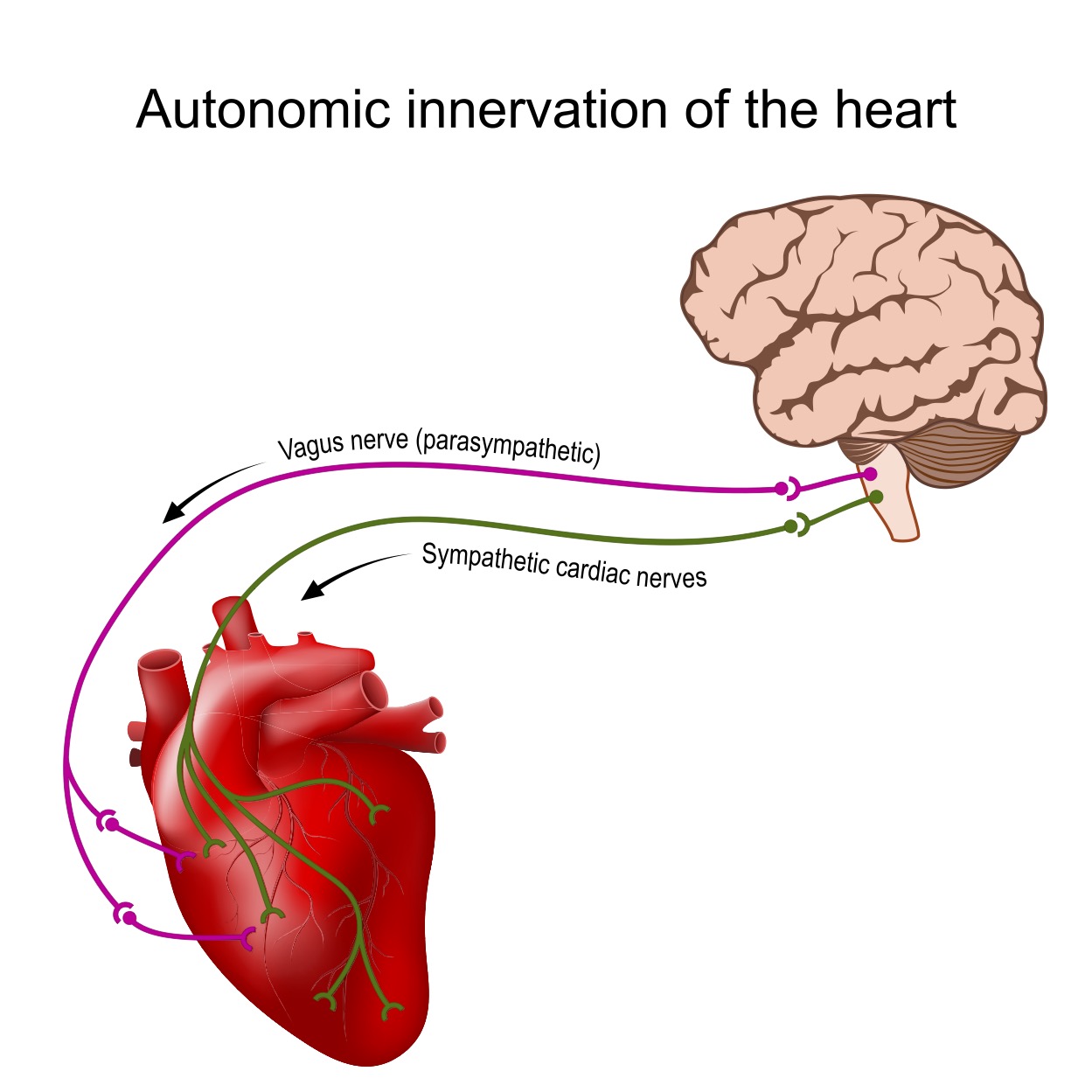
It all comes down to your nervous system, especially a nerve called the vagus nerve. The vagus nerve begins in the brainstem near the CCJ and helps control your heart rate, blood pressure, and other automatic body functions.

When the bones in your upper neck are misaligned—a condition chiropractors call a subluxation—they can irritate the brainstem or put pressure on the vagus nerve. This can throw off the balance between your body’s “fight or flight” response and its “rest and digest” mode. If your body is stuck in high-alert mode too often, it can increase your risk for things like high blood pressure and irregular heart rhythms.

What the Research Is Showing

Chiropractors who specialize in the upper neck have seen some exciting results:

  • Lower Blood Pressure: Some studies have found that correcting upper neck alignment can lead to noticeable drops in blood pressure.
  • Better Heart Rate Variability (HRV): HRV is a measure of how well your heart adapts to stress. Improvements in HRV have been seen after chiropractic adjustments to the CCJ.

These changes suggest that caring for the upper neck might help your heart function more efficiently.

What This Means for You

If you have high blood pressure or other heart concerns that haven’t responded well to traditional treatments, it might be worth looking into your neck. A chiropractor trained in upper cervical care can evaluate whether a misalignment at the CCJ is playing a role in your symptoms.

Getting your CCJ checked and corrected, if needed, could be a simple but powerful step toward better heart health.

Final Thoughts

Heart disease is complex, but every piece of the puzzle matters. While diet, exercise, and medication are important, don’t overlook the impact of your nervous system. The health of your cranio-cervical junction could be an important factor in supporting a healthy heart. Chiropractic care offers a natural, non-invasive way to restore balance and help your body function the way it was meant to.

Filed Under: Blog

Bridge the Gap- The link between the Upper Cervical Spine, Suboccipital Muscles, and Spinal Cord

July 1, 2025 By Dr. Kevin Lin

How the Myodural Bridge Connects Upper Cervical Health to Whole-Body Wellness


Quick-read highlights

  • The myodural bridge (MDB) is a collagenous band that anchors deep sub-occipital muscles to the spinal dura at C0-C2. (pubmed.ncbi.nlm.nih.gov)
  • Every head nod and micro-contraction of those muscles transmits a pump-like force to cerebrospinal fluid (CSF), modulating pressure and venous outflow. (frontiersin.org)
  • Atlas or axis misalignment can disturb muscle tone, stretch the MDB, and alter CSF dynamics—producing headaches, dizziness, brain-fog, and more. (nature.com)
  • Upper Cervical Chiropractic (UCC) adjustments aim to restore neutral mechanics at C1-C2, normalizing MDB tension and CSF flow. Early studies and clinical reports show promising symptom relief. (chiropracticscience.com, craniocervicalfoundation.org)

1. Anatomy 101: meet the myodural bridge (MDB)

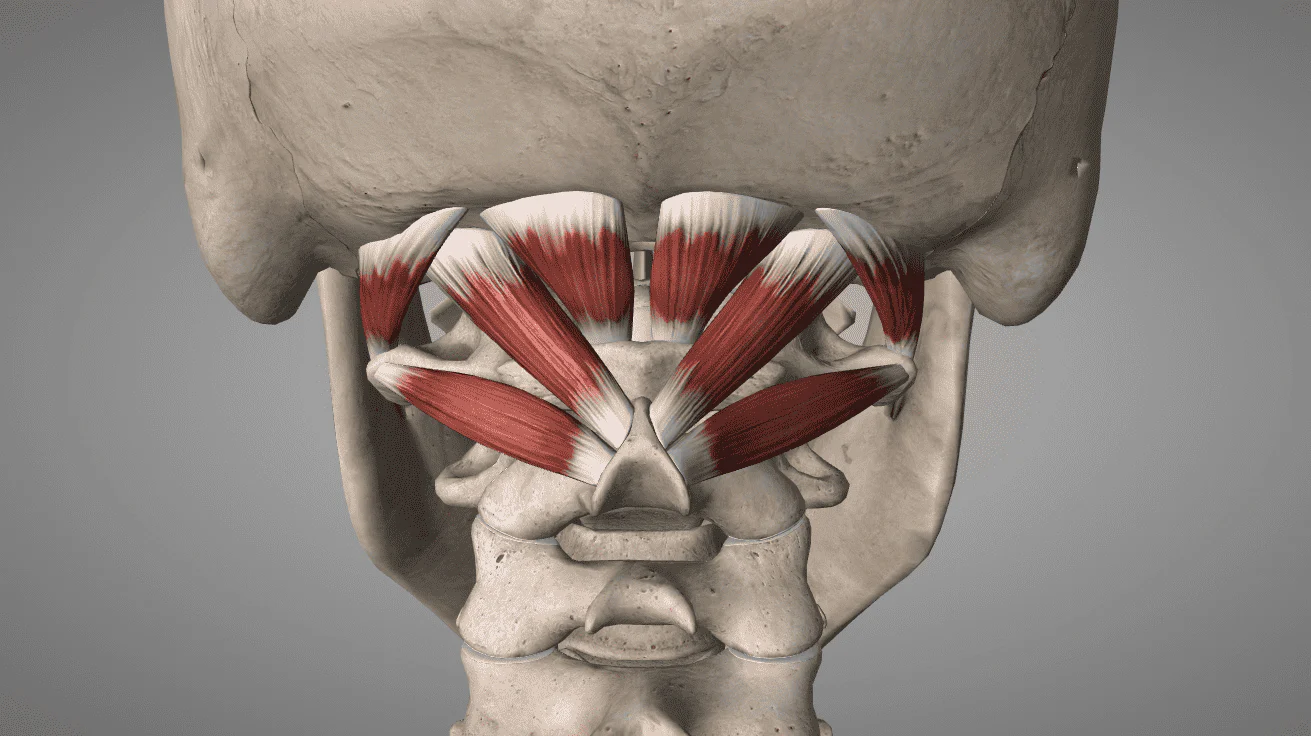
Three small “posture-control” muscles—rectus capitis posterior minor (RCPm), rectus capitis posterior major (RCPM), and obliquus capitis inferior—share fibrous extensions that pierce the posterior atlanto-occipital membrane to blend with the spinal dura. Think of this as a living tether that keeps the cord from buckling when you look up, down, or side-to-side. (pmc.ncbi.nlm.nih.gov)


2. Why cerebrospinal fluid (CSF) flow matters

CSF bathes the brain and spinal cord, clearing metabolic waste and damping mechanical shocks. Unlike blood, CSF lacks a dedicated “heart.” Instead, it relies on respiration, arterial pulsation—and, according to recent MRI and animal studies, micro-pulses transmitted through the MDB. (frontiersin.org, pmc.ncbi.nlm.nih.gov)

When MDB tension is optimal, those pulses act like a gentle piston, helping CSF circulate through the foramen magnum and cervical canal. Too much or too little tension can stall the flow, leading to pressure changes implicated in Chiari I malformation, spontaneous intracranial hypotension, and chronic headaches. (nature.com, nature.com)


3. Upper Cervical misalignment: a hidden stressor

Even a 1-2 mm “kink” at the atlas or axis redistributes load to the sub-occipital muscles. They respond by tightening on one side and lengthening on the other—twisting the MDB like a rope and tugging on the dura. Patients often feel this as:

  • Occipital or “band” headaches
  • Neck stiffness or grinding
  • Brain-fog when bending forward
  • Vertigo triggered by quick rotation

These symptoms parallel findings in MDB fibrosis models that show reduced CSF velocity and dural irritation. (nature.com, cell.com)


4. Upper Cervical Chiropractic care: precision makes the difference

Unlike general spinal manipulation, UCC focuses exclusively on C1-C2 using pre-adjustment imaging (cone-beam CT, 3-view X-ray, or upright MRI). The goal is a vectored, low-force correction that:

  1. Centers the atlas beneath the skull, balancing sub-occipital muscle length.
  2. Unloads the MDB, letting it resume its spring-like role in CSF propulsion.
  3. Removes dural torque, decreasing nociceptive signaling that drives cervicogenic headache.

Case-series data and patient-reported outcomes show marked improvement in whiplash-related headaches, post-concussion symptoms, and even idiopathic intracranial hypertension after UCC programs. (chiropracticscience.com, craniocervicalfoundation.org)

Emerging evidence: A 2024 Frontiers in Neurology review emphasized MDB-mediated CSF regulation and called for controlled trials of targeted rehabilitation—an invitation tailor-made for Upper Cervical specialists. (frontiersin.org)


5. Key takeaways

  1. Tiny tether, huge impact—The MDB translates neck-muscle activity into healthy spinal-fluid motion.
  2. C1-C2 alignment matters—Misalignment distorts MDB tension, disturbing CSF flow and triggering pain.
  3. Upper Cervical care offers a mechanical fix—Precise corrections restore balance where medication can’t.
  4. Research momentum is strong—New imaging and surgical studies validate the MDB concept and highlight non-invasive options.

If you are a new patient and you have mysterious neurological symptoms getting your Upper Cervical Spine evaluated might reveal the culprit for your condition.


For existing patients by understanding the Myodural Bridge you can understand the value of staying properly aligned.


References

  1. Magnetic-resonance-based classification of the myodural bridge. 2023. (pubmed.ncbi.nlm.nih.gov)
  2. Neuraxial biomechanics, fluid dynamics, and myodural regulation. 2024. (frontiersin.org)
  3. Cervical myodural bridge: review of literature and clinical implications. 2014. (pmc.ncbi.nlm.nih.gov)
  4. New surgical approach for Chiari I preserving the MDB. 2025. (nature.com)
  5. Evidence for chronic headaches induced by MDB changes. 2023. (nature.com)
  6. Full recovery from whiplash with Upper Cervical care. 2018. (craniocervicalfoundation.org)

Filed Under: Blog Tagged With: Amelia Island, Chiropractic, Fernandina Beach, Headaches, Upper Cervical Chiropractic

10 Surprising Symptoms of Upper Cervical Misalignment — And How to Fix Them

June 19, 2025 By Dr. Kevin Lin

Do you suffer from recurring headaches, dizziness, or brain fog that no one can seem to explain? What if these frustrating symptoms were all connected — not by stress, aging, or bad luck — but by something deeper?

Let’s explore the lesser-known symptoms of atlas misalignment and how upper cervical chiropractic care may be the missing link in your health journey.

Take a look at the following symptoms. Can you guess what they all have in common?

  • Chronic headaches or migraines
  • Dizziness or vertigo
  • Pressure at the base of the skull
  • Brain fog and mental fatigue
  • Ringing in the ears (tinnitus)
  • Sensitivity to light or sound
  • Neck pain without injury
  • Insomnia or poor sleep quality
  • Poor posture or balance issues
  • Numbness or tingling in the arms

These are some of the most common signs of upper cervical misalignment — especially involving the atlas (C1) or axis (C2) vertebra.

The craniocervical junction — where your skull meets your spine — is one of the most sensitive and neurologically dense areas of your body. When the atlas shifts out of alignment, it can compress nerves, disrupt blood flow, and interfere with the brainstem.

Common causes of atlas misalignment include:

  • Whiplash or car accidents
  • Sports injuries
  • Poor posture (especially tech neck)
  • Concussions or falls
  • Even birth trauma (in infants or adults)

Even a small shift in the upper cervical spine can create widespread dysfunction because it interferes with:

  • Brain-body communication
  • Balance and coordination
  • Sleep cycles
  • Circulation of cerebrospinal fluid
  • Autonomic nervous system regulation

That’s why upper cervical misalignments often show up as symptoms far from the neck — including dizziness, fatigue, poor focus, and nerve issues.

At Precision Chiropractic in Fernandina Beach, FL, we specialize in detecting and correcting atlas misalignments using advanced imaging and gentle, non-invasive techniques.

Unlike traditional chiropractic adjustments, upper cervical care requires no twisting or cracking. Our focus is precise correction — helping your body restore balance, posture, and optimal nervous system function.

“I had no idea my neck was affecting so many things — I just thought I was getting older.” (Check out our google reviews by clicking here!)

If you’ve been dealing with unexplained symptoms and haven’t found answers, it’s time to look at your neck alignment.

📍 Schedule a consultation at Precision Chiropractic and find out if upper cervical care is right for you.
Let us help you get back to feeling like yourself again — naturally.

Filed Under: Blog Tagged With: Amelia Island, Chiropractic, Fernandina Beach, Headaches, neck pain

Staying On Course

June 2, 2025 By Dr. Kevin Lin

Health Is a Direction, Not a Destination: How Chiropractic Helps You Stay on Course

When we think about health, it’s tempting to view it as a final destination—a number on the scale, a lab result, or simply the absence of pain. But at Precision Chiropractic, we believe real health isn’t a place you arrive at. It’s a direction you move in every day.

The Problem with the “Destination” Mindset

Health is dynamic. Stress, injuries, aging, and lifestyle choices all impact our bodies continuously. The “destination” mindset leads many people to wait until something goes wrong—then scramble for a quick fix. But reacting to problems isn’t the same as building resilience or preventing them in the first place.

Why Direction Matters More

Imagine your health like a compass. Even if you’re not at peak condition today, what matters more is whether you’re heading in the right direction. Are your habits, your movement, your mindset, and your nervous system trending toward strength, stability, and adaptability? Or are you drifting—often without realizing it—toward dysfunction?

That’s where chiropractic care plays a key role.

How Chiropractic Supports a Healthy Trajectory

Upper cervical chiropractic focuses on optimizing how your nervous system communicates with the rest of your body. When the spine—especially at the brainstem level—is misaligned, it disrupts more than just posture. It affects your body’s ability to regulate, repair, and respond to life’s demands.

By correcting these misalignments, we don’t just address symptoms—we help restore your body’s internal compass so you can move steadily in a healthier direction.

Small Corrections, Big Outcomes

Think of it like steering a ship. A few degrees off course doesn’t seem like much—until you realize it’s the difference between landing on your intended shore or drifting miles away. Regular chiropractic care keeps your trajectory aligned so you’re not just hoping for good health—you’re actively moving toward it.

Final Thought

Health isn’t something you achieve once. It’s something you continually invest in. At Precision Chiropractic, we’re here to help you keep moving in the right direction—no matter where you are on your journey.

Filed Under: Blog

The Injury You Walked Away From Might Still Be Holding You Back

April 22, 2025 By Dr. Kevin Lin


Head and Neck Injuries: More Common (and Treatable) Than You Think

When people think of chiropractic care after an injury, car accidents often come to mind—especially whiplash. But head and neck trauma can occur in many ways, not just on the road. Whether from sports, slips and falls, or even repetitive stress, these injuries can have lasting effects on your health if left unaddressed.

🚗 Whiplash and Car Accidents

The sudden impact of a collision—especially a rear-end crash—can whip the head violently back and forth. This motion often injures soft tissues and misaligns the upper cervical spine. Symptoms may include:

  • Neck pain or stiffness
  • Headaches
  • Dizziness or brain fog
  • Shoulder and arm pain
  • Jaw tension or TMJ issues

🏈 Sports-Related Trauma

Contact sports like football, soccer, or wrestling can cause repeated head and neck trauma—even without a full-blown concussion. These injuries can affect balance, focus, and sleep, especially if the upper cervical spine is misaligned.

🤕 Slips, Falls, and Daily Accidents

You don’t need to be in a high-impact event to suffer from a head or neck injury. A bad fall, hitting your head on a cabinet, or even poor sleeping posture can create lasting issues—sometimes weeks or months after the initial trauma.

🔍 The Overlooked Connection

What do all these injuries have in common? They affect the craniocervical junction—where the skull meets the spine. Even small misalignments in this area can impact:

  • Nervous system function
  • Blood flow to the brain
  • Cerebrospinal fluid (CSF) drainage
  • Posture and muscular tension

Left uncorrected, these issues may worsen over time, leading to chronic symptoms and compensations elsewhere in the body. The good news? While you can’t undo the original injury, you can absolutely prevent it from compounding into something more serious.

🎯 How Upper Cervical Chiropractic Helps

At Precision Chiropractic, we focus on this critical area. Using precise imaging and gentle corrections, we help restore balance to the upper spine without twisting, cracking, or force. The goal isn’t just pain relief—it’s to restore normal function and help your body heal the way it was designed to.

✅ When to Get Checked

If you’ve experienced any kind of head or neck trauma—even if it was weeks, months, or years ago—it’s worth getting evaluated. Think back, did you start having more or worsen symptoms after a neck and head trauma? Symptoms don’t always show up right away, but misalignment can silently interfere with your well-being.


Don’t wait for a small injury to turn into a big problem.
Click here to schedule a consultation.


Filed Under: Blog Tagged With: Amelia Island, Chiropractic, Fernandina Beach, whiplash

« Previous Page
Next Page »
  • Schedule a Consultation
  • Upper Cervical Chiropractic In Fernandina Beach
  • How Upper Cervical Chiropractic is Different
  • What is an Upper Cervical Misalignment?
  • Conditions We Commonly Evaluate
  • Is Upper Cervical Care Right for me?
  • What to Expect at Your Examination
  • Understanding Your Care Options
  • What Care at Precision Looks Like

Latest Blog Posts

The Energy Cost of an Inefficient Spine

Why you can be tired and sore at the same time — for no reason you can name You slept eight hours. You didn't lift … [Read More...]

When Anxiety Is More Than a Thought: The Connection Between Dysautonomia, Sympathetic Dominance, and the Upper Cervical Spine

When most people hear the word anxiety, they think of excessive worry, stressful thoughts, or an emotional reaction to … [Read More...]

more blog posts »

Location & Contact Info

Precision Chiropractic
1699 S. 14th Street, Unit 18,
Fernandina Beach, FL  32034

904.310.0064 or send us an email

  • Facebook
  • Twitter

What Our Patients Are Saying

Excellent
Precision Chiropractic4.9
Based on 236 reviews
See all reviews
review us on
Warren D
2 weeks ago
Kylene Globis
3 weeks ago
I started seeing Dr. Lin almost two years ago and the difference he has made with my headaches is truly remarkable. I had migraines often when I first started seeing him, and although my headaches haven’t fully subsided that’s partially due the physical position I’m in while doing my work; however, I find going once a week is incredibly helpful and makes it manageable. I can feel when I need an adjustment right away, and I immediately feel better every time. My quality of life has changed and it’s nice to have someone I fully trust that helps keep my head on straight so I can give care to my patients too! I’m grateful to the entire staff for always being so kind, welcoming, and working with my schedule! Thank you 🙏
Debbie McNamara
4 weeks ago
If you are struggling with cervical, back or shoulders issues I highly recommend Dr. Lin. I am very thankful to have found him. What really sets DrLin apart is his approach to chiropractic care. Rather than the traditional “cracking” or adjustments, he uses a specialized tool, a more scientific targeted approach. I have received tremendous improvement in my back pain. His staff is equally impressive. They are professional, kind and welcoming. I would absolutely recommend Dr. Lin and his team to any one looking for knowledgeable and compassionate chiropractic care. Debbie McNamara
Jeff Morrison
1 month ago
Excellent experience !! Dr. Lin explained the entire process up front and has followed through with a program that leaves me feeling better every session. The staff is friendly and professional. Would recommend them to anyone seeking overall healing .
Annika Forouzesh
2 months ago
If you’re pregnant, go see Dr. Lin! He is Webster certified and helped keep my body aligned throughout pregnancy so my baby could stay in an optimal position. A few times she shifted, and after an adjustment she’d be head down again within hours. I even went into labor about two hours after my last adjustment! Dr. Lin is so calm and gentle, and his entire team is wonderful. It honestly felt like visiting friends every week.
Clyde Miller
3 months ago
Jana Guynn
4 months ago
Chrystal Opheim
5 months ago
Kevin and his team do an amazing job. The environment in the office is always so relaxing, and everyone is professional, welcoming, and caring. I always have a great experience and would highly recommend them!
Tracy Hilton
5 months ago
Dr Lin and his staff are phenomenal! I originally came in a few years ago with unrelenting vertigo. After treatments to align my C1, no more vertigo. Keeping my neck in alignment set my body on a path to healing that has me feeling healthier than ever. So grateful! Highly recommend!
P F
5 months ago
Every time I leave this facility…I leave feeling better. Atmosphere, people, my Dr. results .. Try them, you’ll be glad you did.

Copyright © 2026 Precision Chiropractic, LLC · Log in