Precision Chiropractic

  • Facebook
  • Twitter

Schedule a Consultation 904.310.0064

  • Home
  • Upper Cervical
  • Conditions
    • Dizziness & Vertigo
    • Migraines & Headaches
    • Dysautonomia & Autonomic Symptoms
    • Neck Pain & Whiplash
  • Meet Your Doctor
  • Schedule a Consultation
  • Blog
  • Contact Us

When Anxiety Is More Than a Thought: The Connection Between Dysautonomia, Sympathetic Dominance, and the Upper Cervical Spine

July 28, 2026 By Dr. Kevin Lin

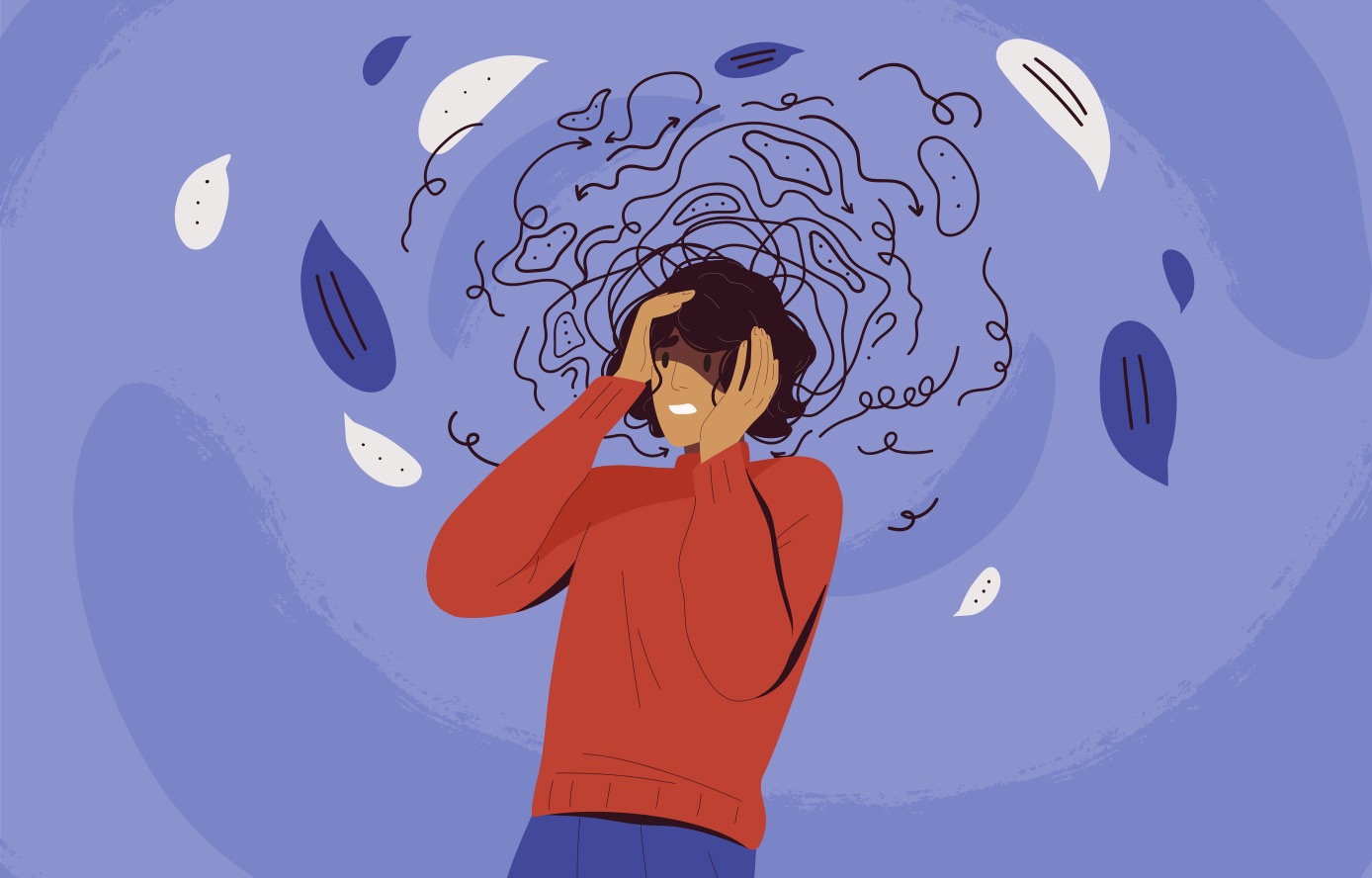
When most people hear the word anxiety, they think of excessive worry, stressful thoughts, or an emotional reaction to difficult circumstances. While those can certainly contribute, anxiety is not always generated entirely by the conscious mind.

Sometimes the body itself is producing signals of danger.

A racing heart, shallow breathing, dizziness, sweating, muscle tension, digestive disruption, trembling, and a sense of impending doom can all occur when the autonomic nervous system becomes dysregulated. The brain may then interpret these physical signals as evidence that something is wrong—even when no immediate threat exists.

Understanding this connection can change how we view anxiety and, in certain circumstances, may help explain why upper cervical care can be a valuable part of a broader approach.

What Is Dysautonomia?

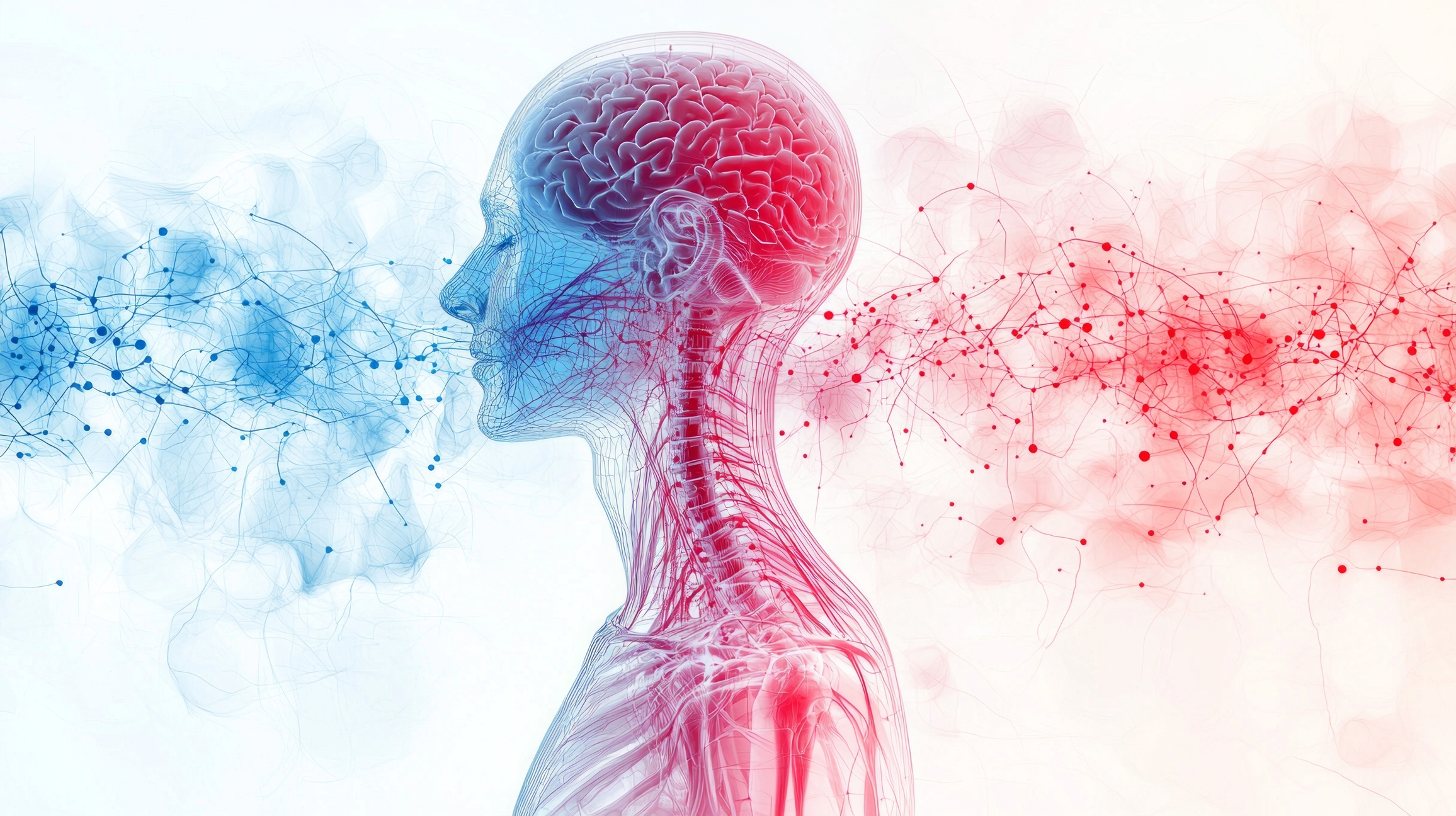
The autonomic nervous system controls many of the functions that happen automatically, including heart rate, blood pressure, breathing, digestion, temperature regulation, sweating, and the body’s response to stress. Its major branches include the sympathetic and parasympathetic nervous systems.

The sympathetic nervous system prepares us to respond to a challenge. It increases heart rate, redirects blood toward the muscles, heightens awareness, releases stress hormones, and prepares the body to fight, flee, or protect itself.

The parasympathetic nervous system supports recovery. It helps slow the heart, regulate digestion, conserve energy, and return the body to a calmer baseline.

Neither system is good or bad. We need both. The problem develops when the nervous system struggles to move appropriately between activation and recovery.

Dysautonomia is a broad term describing abnormal regulation of these automatic functions. Depending on the individual, it may produce symptoms such as:

  • Rapid or irregular heartbeat
  • Dizziness or lightheadedness
  • Exercise intolerance
  • Abnormal sweating
  • Digestive problems
  • Fatigue
  • Brain fog
  • Temperature sensitivity
  • Shakiness or internal trembling
  • Feelings that closely resemble anxiety

Dysautonomia is not one single diagnosis. It includes several different conditions and patterns, which should be properly evaluated by an appropriate healthcare provider.

Sympathetic Dominance: When the Alarm System Stays On

The phrase sympathetic dominance is commonly used to describe a state in which the body spends too much time in a high-alert pattern and has difficulty returning to rest and recovery.

A sympathetically activated body may produce:

  • A pounding or racing heart
  • Rapid, upper-chest breathing
  • Tightness in the neck, jaw, or shoulders
  • Dilated pupils and increased vigilance
  • Difficulty falling asleep
  • Sensitivity to noise, crowds, or stimulation
  • Digestive slowing
  • Restlessness
  • A persistent feeling that something bad is about to happen

These sensations are remarkably similar to the symptoms of anxiety.

This creates a difficult feedback loop:

The nervous system activates.
The body produces alarming sensations.
The brain notices those sensations and interprets them as danger.
That interpretation further activates the nervous system.

Over time, the person may become increasingly focused on changes in heart rate, breathing, balance, or internal sensations. The anxiety is real, but the process may be flowing in both directions: thoughts affect physiology, and physiology affects thoughts.

“Is It Anxiety, or Is It Dysautonomia?”

Sometimes it can be both.

Postural orthostatic tachycardia syndrome, or POTS, provides a useful example. People with POTS may experience tachycardia, palpitations, trembling, dizziness, weakness, and shortness of breath when standing. These symptoms can resemble a panic attack, and POTS is sometimes initially mistaken for an anxiety disorder. However, research emphasizes that POTS is not simply caused by anxiety.

Certain patients with POTS have a hyperadrenergic pattern involving increased sympathetic activity and symptoms such as tachycardia, tremor, elevated blood pressure, palpitations, and anxiety-like sensations.

This does not mean that every person with anxiety has dysautonomia. It means that physical symptoms should not automatically be dismissed as “just stress,” particularly when they are triggered by standing, exertion, eating, heat, illness, injury, or changes in head and neck position.

Where Does the Upper Cervical Spine Fit In?

The upper cervical spine includes the atlas and axis—the first two vertebrae beneath the skull. This region supports the head and surrounds the upper portion of the spinal cord near the brainstem.

The upper neck also contains a dense network of joints, muscles, ligaments, and sensory receptors that continuously provide the brain with information about head position, movement, balance, and body orientation.

When the upper cervical region has been injured or is functioning poorly, especially following whiplash, falls, repetitive strain, concussion, or other trauma, it may create several potential stressors:

  • Persistent neck pain or irritation
  • Altered sensory information from the joints and muscles
  • Abnormal muscular guarding
  • Headaches or dizziness
  • Changes in balance and spatial orientation
  • Increased physical vigilance
  • Difficulty relaxing because the body continues to perceive mechanical stress

These problems can increase the overall load being placed on an already sensitive nervous system.

Upper cervical care is not a direct treatment for an anxiety disorder, nor should it replace appropriate psychological, medical, or psychiatric care. However, when a patient’s anxiety-like symptoms occur alongside neck injury, headaches, dizziness, balance problems, pain, or other signs of upper cervical dysfunction, carefully applied care may help address one of the physical contributors keeping the nervous system on alert.

Can Spinal Care Influence the Autonomic Nervous System?

Research suggests that spinal manipulation and other forms of manual care can produce measurable short-term changes in autonomic nervous system activity. Studies have examined outcomes such as heart-rate variability, skin conductance, blood pressure, norepinephrine, and other physiological markers.

However, the findings are mixed. A 2024 systematic review concluded that spinal manipulation may influence autonomic activity, but the size and direction of the effects varied, and the quality of the available evidence limits firm conclusions.

Other systematic reviews have similarly reported possible autonomic effects while emphasizing the need for better-quality clinical research and a clearer connection between short-term physiological changes and meaningful long-term patient outcomes.

This distinction is important.

It would be inaccurate to claim that an upper cervical adjustment “cures anxiety” or universally resets the autonomic nervous system. It is more reasonable to say that upper cervical care may help some appropriately selected patients by reducing mechanical irritation, improving neck function, decreasing pain, and potentially changing some of the sensory input the nervous system is receiving.

Who May Benefit Most?

Upper cervical evaluation may be particularly reasonable when anxiety or sympathetic symptoms developed or worsened alongside:

  • A concussion or head injury
  • Whiplash or a car accident
  • A fall or sports injury
  • Chronic upper-neck tension
  • Headaches originating from the neck
  • Dizziness or disequilibrium
  • Difficulty tolerating movement or busy visual environments
  • A persistent feeling of being physically “on edge”
  • Symptoms that appear to change with posture or neck position

In these cases, the goal is not to tell the patient that anxiety is “all in the neck.” The goal is to determine whether dysfunction in the upper cervical region may be adding stress to the system.

A More Complete Approach

Anxiety is rarely explained by one factor alone. Genetics, life experiences, trauma, sleep, hormones, medications, nutrition, pain, inflammation, breathing patterns, relationships, and autonomic regulation can all play a role.

For that reason, the best approach is often collaborative.

Depending on the patient, care may include:

  • Medical evaluation for dysautonomia or other underlying conditions
  • Counseling or cognitive behavioral therapy
  • Appropriate medication
  • Sleep improvement
  • Hydration and nutritional support
  • Gradual physical conditioning
  • Breathing and relaxation training
  • Treatment of pain or injury
  • Upper cervical care when clinically indicated

Chest pain, fainting, severe shortness of breath, new neurological symptoms, or a persistent abnormal heart rate should be medically evaluated rather than assumed to be anxiety.

The Central Message

Anxiety is not imaginary, and it is not always simply a failure to control one’s thoughts.

In some people, the body’s alarm system is producing powerful physical signals that the mind naturally interprets as danger. Dysautonomia and excessive sympathetic activation can contribute to this process, creating a cycle in which the body and brain continually reinforce one another.

Upper cervical care is not appropriate for every person with anxiety. But when anxiety-like symptoms coexist with upper-neck dysfunction, injury, headaches, dizziness, or other neurological and mechanical symptoms, a careful upper cervical evaluation may reveal an important piece of the puzzle.

The purpose of care is not to suppress the body’s alarm system. It is to identify and reduce unnecessary sources of stress so that the nervous system has a better opportunity to adapt, regulate, and recover.

Filed Under: Blog Tagged With: Amelia Island, Chiropractic, Headaches, neck pain, Neurology, Upper Cervical Chiropractic, vertigo

Standing Tall : How Your Spine Was Designed to Resist Gravity

October 29, 2025 By Dr. Kevin Lin

Every moment of your life, gravity is pulling you down.
It never rests. It never turns off. Every second you stand, walk, or sit, your spine is quietly working to resist this invisible force — protecting your brain, spinal cord, and posture from collapse.

Fortunately, your spine wasn’t designed to fight gravity through brute strength — it was designed through architecture and intelligence.

Let’s break down how this remarkable system works… and what happens when it starts to fail.


The Spine: A Living Suspension Bridge

Your spine isn’t a straight column of bone; it’s a living suspension system built for balance, flexibility, and endurance.

  • Curves that absorb shock:
    The “S-shaped” curves in your neck and low back act like springs. When you stand upright, these curves distribute gravitational load evenly — reducing stress on any one area. Flatten or exaggerate these curves, and the spine’s ability to manage force drops dramatically.
  • Discs that act as hydraulic cushions:
    Each disc between your vertebrae functions like a shock absorber — filled with fluid and designed to handle compressive forces from above. When alignment is healthy, pressure is distributed evenly through the disc. When alignment is lost, that pressure becomes uneven, causing tiny tears and fluid loss over time.
  • Muscles and ligaments that create tension support:
    Your muscles, tendons, and fascia form what’s known as tensegrity — a system where tension and compression balance each other. This allows you to stand upright, move efficiently, and resist fatigue.

Your spine resists gravity not by being rigid, but by being perfectly balanced.


When Gravity Wins: How Degeneration Really Starts

Most people believe that spinal arthritis and disc degeneration are simply “wear and tear” or “getting older.”
That’s not the full story.

Degeneration is what happens when your spine stops resisting gravity efficiently.

When posture and balance fail, gravitational forces become uneven — concentrated in small areas instead of distributed evenly. That’s when problems begin:

  1. Misalignment and Forward Head Posture
    A one-inch forward shift of the head adds roughly 10 pounds of extra force to the neck. Multiply that by thousands of hours a year, and those joints begin to break down.
  2. Disc Dehydration and Flattening
    Uneven compression creates micro-fissures in the outer disc layer. Over time, the disc loses water content and height — decreasing its ability to absorb shock.
  3. Arthritic Remodeling
    As the spine loses stability, the body attempts to “splint” itself by building bone — forming osteophytes (bone spurs). It’s the body’s version of self-reinforcement, but it comes at the cost of stiffness, pain, and nerve irritation.

The bone spurs and degeneration often seen on X-rays aren’t the cause of imbalance — they’re the consequence of it.


The Warning Signs: When Your Spine Stops Doing Its Job

Your spine’s job isn’t just to hold you upright — it’s to protect your nervous system, distribute gravitational load, and keep movement efficient.
When it stops doing those things well, you start to feel the effects everywhere.

1. Neck and Shoulder Tension

  • Tightness or burning between the shoulder blades
  • Headaches or stiffness after sitting or driving
  • A feeling of “weight” in the neck

The muscles aren’t the problem — they’re working overtime to hold up a misaligned spine.

2. Chronic Fatigue and Low Energy

  • Feeling heavy or compressed
  • Fatigue despite adequate sleep
  • Slouching or collapsing posture by the end of the day

When alignment is off, gravity becomes a 24-hour workout.

3. Headaches, Dizziness, and Brain Fog

  • Tension headaches
  • Visual strain or lightheadedness
  • Difficulty concentrating

The upper neck is the bridge between body and brain — when that bridge twists, blood and fluid flow suffer.

4. Back Stiffness, Hip Tightness, or Uneven Wear

  • One hip sits higher than the other
  • Chronic stiffness or “locked up” joints
  • Sciatica or uneven gait

These are structural clues that gravity isn’t flowing evenly through your frame.

5. Numbness, Tingling, or Weakness

  • Tingling or numbness in arms, legs, or hands
  • Grip weakness or balance issues

These symptoms suggest gravity is compressing nerves through misaligned joints or discs.

6. Digestive or Sleep Disturbances

  • Shallow breathing or reflux when slouched
  • Poor sleep or restlessness
  • Heightened tension or anxiety

When posture collapses, your autonomic nervous system feels the strain too.

Every one of these symptoms is your body’s way of saying: “I’m losing ground against gravity.”


The Hidden Energy Cost

Every muscle that holds you upright burns energy every second.
When your spine is aligned, gravity passes cleanly through it, and that energy cost stays low.
But when posture collapses, the muscles of your neck, back, and pelvis must constantly fight to keep you from falling forward — a low-grade tug-of-war that drains your stamina and focus.

Posture isn’t about appearance — it’s about energy economy.


The Role of Upper Cervical Chiropractic Care

Gravity affects the body from the top down — which means balance has to begin at the top.
The alignment of the head and neck, specifically the upper cervical spine (the atlas and axis), determines how the rest of the body organizes itself underneath.

When that relationship between the head and neck shifts — even by millimeters — it changes how gravity loads the entire spine. The body compensates by twisting shoulders, tilting the pelvis, tightening muscles, and compressing joints. Over time, those compensations become the source of pain, fatigue, and degeneration.

The upper cervical spine is the body’s master balancing joint — where structure meets neurology.

Why Upper Cervical Alignment Matters

  • The brainstem passes directly through this region and controls posture, balance, muscle tone, and blood flow.
  • Even subtle misalignments can disrupt the body’s ability to sense where “upright” is — altering muscle coordination and joint pressure all the way to the feet.
  • When the atlas (C1) and axis (C2) are precisely aligned, the body naturally resets its posture from the top down — allowing gravity to flow evenly through the spine again.

The Precision Difference

Upper Cervical Chiropractic focuses on exact analysis and gentle correction, not force.
Using advanced imaging and biomechanical measurements, we identify the exact vector of misalignment and apply a correction measured in millimeters and degrees, restoring proper head-to-neck balance.

Once that balance is restored:

  • The spine can unwind naturally below it
  • Muscle tension decreases throughout the body
  • Posture and energy improve without conscious effort
  • The nervous system communicates more efficiently

Upper Cervical care doesn’t just relieve symptoms — it restores the blueprint your body was designed with to resist gravity efficiently.

In Short

Chiropractic care at the upper cervical level isn’t about “cracking” or “loosening.”
It’s about restoring the single most important relationship in the body — the head on the neck — so every system beneath it can function the way nature intended.

Alignment at the top determines balance below.

When your head is on straight, your body doesn’t have to fight gravity — it works with it.


Standing Tall Is a Human Privilege

Standing upright is one of humanity’s defining features. It requires balance, structure, and a finely tuned nervous system.
When your spine loses that balance, gravity slowly reshapes you — compressing joints, wearing down discs, and draining your energy.
But when you restore that balance, gravity becomes your partner — a constant reminder of your body’s intelligent design.

You weren’t built to collapse.
You were built to stand tall.

References

Nachemson AL. The load on lumbar disks in different positions of the body. Clin Orthop Relat Res. 1966;45:107–122.
https://pubmed.ncbi.nlm.nih.gov/5921768/

Urban JP, Roberts S. Degeneration of the intervertebral disc. Arthritis Res Ther. 2003;5(3):120–130.
https://pubmed.ncbi.nlm.nih.gov/12723977/

Bakris GL, Dickholtz M, Meyer PM, et al. Atlas vertebra realignment and achievement of arterial pressure goal in hypertensive patients: A pilot study. J Hum Hypertens. 2007;21(5):347–352.
https://pubmed.ncbi.nlm.nih.gov/17252032/

Grostic JD. Dentate ligament–cord distortion hypothesis. Chiropractic Research Journal. 1986;1(1):47–55.
https://www.chiropracticresearch.org/chiropractic-research-journal-vol-1-no-1-1986/

Eriksen K, Rochester RP. Upper Cervical Subluxation Complex: A Review of the Chiropractic and Medical Literature. Lippincott Williams & Wilkins; 2007.

Kapandji IA. Physiology of the Joints: Volume 3 – The Spinal Column, Pelvic Girdle and Head. Churchill Livingstone; 2008.

Adams MA, Hutton WC. The effect of posture on the lumbar spine. J Bone Joint Surg Br. 1982;64(5):625–629.
https://pubmed.ncbi.nlm.nih.gov/7151191/

Schultz AB, Andersson GB, Haderspeck K, et al. The role of muscles in supporting the lumbar spine. Spine. 1982;7(3):326–333.
https://pubmed.ncbi.nlm.nih.gov/7105535/

Fernández-de-las-Peñas C, Alonso-Blanco C, Cuadrado ML, Pareja JA. Forward head posture and neck pain… Man Ther. 2006;11(4):277–286.
https://pubmed.ncbi.nlm.nih.gov/16996235/

Brinckmann P, Biggemann M, Hilweg D. Fatigue fracture of human lumbar vertebrae. Clin Biomech. 1989;4(1):i–iii.
https://pubmed.ncbi.nlm.nih.gov/2393795/

Filed Under: Blog Tagged With: Amelia Island, Chiropractic, Fernandina Beach, Headaches, neck pain, Neurology

Bridge the Gap- The link between the Upper Cervical Spine, Suboccipital Muscles, and Spinal Cord

July 1, 2025 By Dr. Kevin Lin

How the Myodural Bridge Connects Upper Cervical Health to Whole-Body Wellness


Quick-read highlights

  • The myodural bridge (MDB) is a collagenous band that anchors deep sub-occipital muscles to the spinal dura at C0-C2. (pubmed.ncbi.nlm.nih.gov)
  • Every head nod and micro-contraction of those muscles transmits a pump-like force to cerebrospinal fluid (CSF), modulating pressure and venous outflow. (frontiersin.org)
  • Atlas or axis misalignment can disturb muscle tone, stretch the MDB, and alter CSF dynamics—producing headaches, dizziness, brain-fog, and more. (nature.com)
  • Upper Cervical Chiropractic (UCC) adjustments aim to restore neutral mechanics at C1-C2, normalizing MDB tension and CSF flow. Early studies and clinical reports show promising symptom relief. (chiropracticscience.com, craniocervicalfoundation.org)

1. Anatomy 101: meet the myodural bridge (MDB)

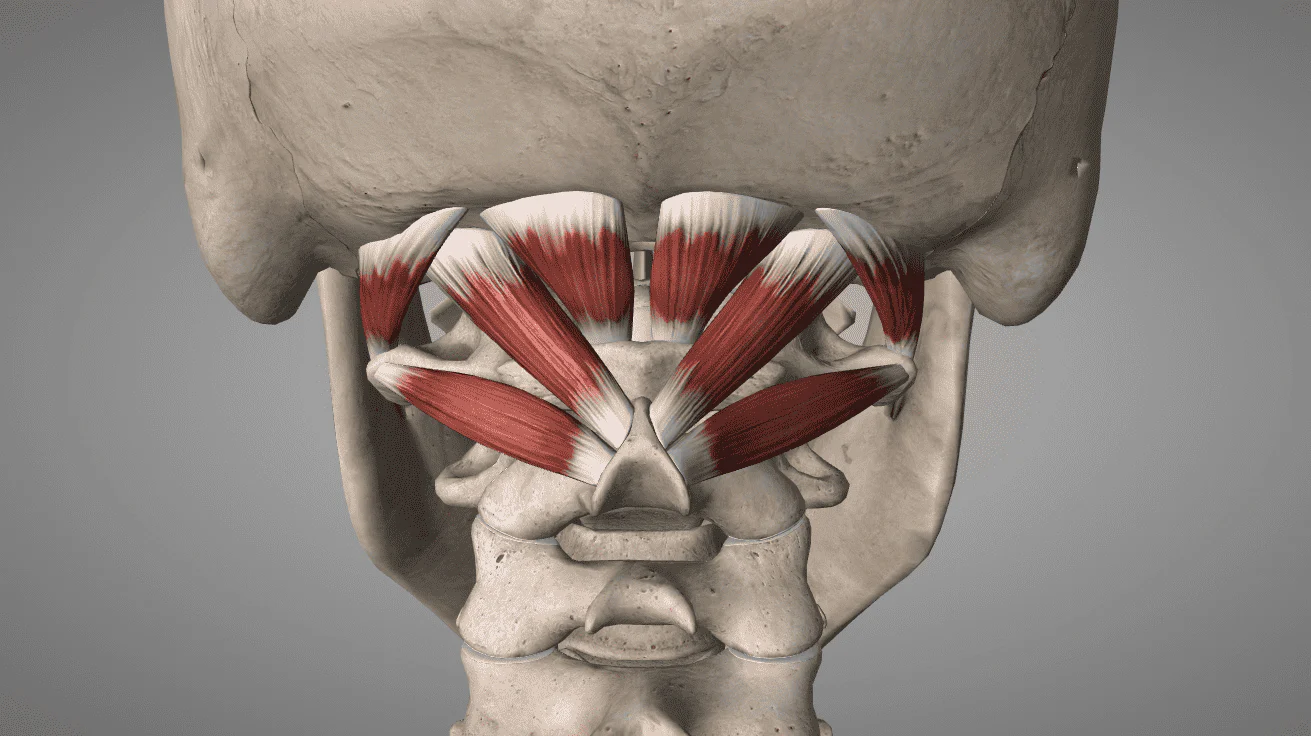
Three small “posture-control” muscles—rectus capitis posterior minor (RCPm), rectus capitis posterior major (RCPM), and obliquus capitis inferior—share fibrous extensions that pierce the posterior atlanto-occipital membrane to blend with the spinal dura. Think of this as a living tether that keeps the cord from buckling when you look up, down, or side-to-side. (pmc.ncbi.nlm.nih.gov)


2. Why cerebrospinal fluid (CSF) flow matters

CSF bathes the brain and spinal cord, clearing metabolic waste and damping mechanical shocks. Unlike blood, CSF lacks a dedicated “heart.” Instead, it relies on respiration, arterial pulsation—and, according to recent MRI and animal studies, micro-pulses transmitted through the MDB. (frontiersin.org, pmc.ncbi.nlm.nih.gov)

When MDB tension is optimal, those pulses act like a gentle piston, helping CSF circulate through the foramen magnum and cervical canal. Too much or too little tension can stall the flow, leading to pressure changes implicated in Chiari I malformation, spontaneous intracranial hypotension, and chronic headaches. (nature.com, nature.com)


3. Upper Cervical misalignment: a hidden stressor

Even a 1-2 mm “kink” at the atlas or axis redistributes load to the sub-occipital muscles. They respond by tightening on one side and lengthening on the other—twisting the MDB like a rope and tugging on the dura. Patients often feel this as:

  • Occipital or “band” headaches
  • Neck stiffness or grinding
  • Brain-fog when bending forward
  • Vertigo triggered by quick rotation

These symptoms parallel findings in MDB fibrosis models that show reduced CSF velocity and dural irritation. (nature.com, cell.com)


4. Upper Cervical Chiropractic care: precision makes the difference

Unlike general spinal manipulation, UCC focuses exclusively on C1-C2 using pre-adjustment imaging (cone-beam CT, 3-view X-ray, or upright MRI). The goal is a vectored, low-force correction that:

  1. Centers the atlas beneath the skull, balancing sub-occipital muscle length.
  2. Unloads the MDB, letting it resume its spring-like role in CSF propulsion.
  3. Removes dural torque, decreasing nociceptive signaling that drives cervicogenic headache.

Case-series data and patient-reported outcomes show marked improvement in whiplash-related headaches, post-concussion symptoms, and even idiopathic intracranial hypertension after UCC programs. (chiropracticscience.com, craniocervicalfoundation.org)

Emerging evidence: A 2024 Frontiers in Neurology review emphasized MDB-mediated CSF regulation and called for controlled trials of targeted rehabilitation—an invitation tailor-made for Upper Cervical specialists. (frontiersin.org)


5. Key takeaways

  1. Tiny tether, huge impact—The MDB translates neck-muscle activity into healthy spinal-fluid motion.
  2. C1-C2 alignment matters—Misalignment distorts MDB tension, disturbing CSF flow and triggering pain.
  3. Upper Cervical care offers a mechanical fix—Precise corrections restore balance where medication can’t.
  4. Research momentum is strong—New imaging and surgical studies validate the MDB concept and highlight non-invasive options.

If you are a new patient and you have mysterious neurological symptoms getting your Upper Cervical Spine evaluated might reveal the culprit for your condition.


For existing patients by understanding the Myodural Bridge you can understand the value of staying properly aligned.


References

  1. Magnetic-resonance-based classification of the myodural bridge. 2023. (pubmed.ncbi.nlm.nih.gov)
  2. Neuraxial biomechanics, fluid dynamics, and myodural regulation. 2024. (frontiersin.org)
  3. Cervical myodural bridge: review of literature and clinical implications. 2014. (pmc.ncbi.nlm.nih.gov)
  4. New surgical approach for Chiari I preserving the MDB. 2025. (nature.com)
  5. Evidence for chronic headaches induced by MDB changes. 2023. (nature.com)
  6. Full recovery from whiplash with Upper Cervical care. 2018. (craniocervicalfoundation.org)

Filed Under: Blog Tagged With: Amelia Island, Chiropractic, Fernandina Beach, Headaches, Upper Cervical Chiropractic

10 Surprising Symptoms of Upper Cervical Misalignment — And How to Fix Them

June 19, 2025 By Dr. Kevin Lin

Do you suffer from recurring headaches, dizziness, or brain fog that no one can seem to explain? What if these frustrating symptoms were all connected — not by stress, aging, or bad luck — but by something deeper?

Let’s explore the lesser-known symptoms of atlas misalignment and how upper cervical chiropractic care may be the missing link in your health journey.

Take a look at the following symptoms. Can you guess what they all have in common?

  • Chronic headaches or migraines
  • Dizziness or vertigo
  • Pressure at the base of the skull
  • Brain fog and mental fatigue
  • Ringing in the ears (tinnitus)
  • Sensitivity to light or sound
  • Neck pain without injury
  • Insomnia or poor sleep quality
  • Poor posture or balance issues
  • Numbness or tingling in the arms

These are some of the most common signs of upper cervical misalignment — especially involving the atlas (C1) or axis (C2) vertebra.

The craniocervical junction — where your skull meets your spine — is one of the most sensitive and neurologically dense areas of your body. When the atlas shifts out of alignment, it can compress nerves, disrupt blood flow, and interfere with the brainstem.

Common causes of atlas misalignment include:

  • Whiplash or car accidents
  • Sports injuries
  • Poor posture (especially tech neck)
  • Concussions or falls
  • Even birth trauma (in infants or adults)

Even a small shift in the upper cervical spine can create widespread dysfunction because it interferes with:

  • Brain-body communication
  • Balance and coordination
  • Sleep cycles
  • Circulation of cerebrospinal fluid
  • Autonomic nervous system regulation

That’s why upper cervical misalignments often show up as symptoms far from the neck — including dizziness, fatigue, poor focus, and nerve issues.

At Precision Chiropractic in Fernandina Beach, FL, we specialize in detecting and correcting atlas misalignments using advanced imaging and gentle, non-invasive techniques.

Unlike traditional chiropractic adjustments, upper cervical care requires no twisting or cracking. Our focus is precise correction — helping your body restore balance, posture, and optimal nervous system function.

“I had no idea my neck was affecting so many things — I just thought I was getting older.” (Check out our google reviews by clicking here!)

If you’ve been dealing with unexplained symptoms and haven’t found answers, it’s time to look at your neck alignment.

📍 Schedule a consultation at Precision Chiropractic and find out if upper cervical care is right for you.
Let us help you get back to feeling like yourself again — naturally.

Filed Under: Blog Tagged With: Amelia Island, Chiropractic, Fernandina Beach, Headaches, neck pain

Research Corner: MIGRAINES

April 8, 2025 By Dr. Kevin Lin


Could Your Migraines Be Coming from Your Neck? A Groundbreaking Study Says Yes
By Dr. Kevin Lin | Precision Chiropractic

If you’ve ever suffered from migraines, you know they’re more than just “bad headaches.” The pounding pain, sensitivity to light and sound, and nausea can be completely debilitating. And if you’re like many people, you’ve probably tried everything—medications, diet changes, stress reduction—with little lasting relief.

But what if the root cause of your migraines isn’t in your head at all?

A compelling study published in the Journal of Chiropractic Medicine explored a lesser-known, yet powerful approach: correcting the alignment of the top bone in your neck—called the atlas vertebra—and the results were nothing short of remarkable.

What the Study Looked At

Researchers followed 11 patients who suffered from migraines—some for years. These participants underwent a specific chiropractic technique focused solely on realigning the atlas vertebra, which sits at the very top of the spine and supports the skull.

Why the atlas? This small bone has a big job. When it’s misaligned, it can affect blood flow, nerve function, and cerebrospinal fluid movement, all of which play critical roles in brain health and pain perception.

The Results: Real Relief

After just 8 weeks of care with no drugs or other interventions, patients reported:

  • Fewer migraines (from an average of 14.5 days/month to just 8.7 days/month)
  • Less intense pain
  • Shorter migraine duration
  • Improved quality of life

And here’s the kicker: these results came from addressing just one area—the upper cervical spine. There were no pills, no injections, and no major lifestyle overhauls.

Why This Matters

For migraine sufferers, hope can sometimes feel out of reach. But this study offers a new perspective—one that considers how the alignment of your spine may be affecting your nervous system, and ultimately, your health.

At Precision Chiropractic, we specialize in the very same technique used in this study. Our gentle, non-invasive adjustments focus on restoring balance to the upper cervical spine, allowing your body to heal and function the way it was meant to.

Could an Atlas Misalignment Be Causing Your Migraines?

If you’ve been living with migraines and haven’t had your upper cervical spine evaluated, you might be missing a crucial piece of the puzzle.

We’d love to sit down with you, hear your story, and see if upper cervical care could be the solution you’ve been looking for.


Your path to migraine relief could start at the top—literally.
👉 Schedule your consultation today


Filed Under: Blog Tagged With: Chiropractic, Headaches, Migraine, neck pain

Not Uncommon , But It doesn’t mean its Normal.

November 18, 2024 By Dr. Kevin Lin


Common vs. Normal

My favorite part of the consultation process with a new patient is reviewing their questionnaire and learning more about their health history.

One interesting thing I’ve noticed over the course of thousands of patient consultations is the thin but meaningful line between what’s common and what’s normal.

For instance, I might ask a patient if they’ve experienced headaches or migraines, and often I’ll hear something like, “Oh, just my normal headaches.”

This response suggests that headaches have become their norm—a situation where something common has been mistaken for normal.

But is it normal to have headaches?

No!

Headaches are a sign that something is off. Could it be a vision issue? High blood pressure? Sinus pressure? While the root cause might vary, one thing remains true: it’s not normal. Headaches may be common, but they are not healthy or normal!

We shouldn’t get so used to pain that we allow it to become part of our everyday lives.

We love hearing from our patients when they tell us, “I didn’t realize how bad it had gotten—I feel better than I have in years!”

Don’t let years go by before taking action. Address those common but unhealthy issues now.

Whether it’s taking care of your spine and nervous system with us or seeking help from another healthcare professional, take the first step to prioritize your health today.


Filed Under: Blog Tagged With: Amelia Island, Chiropractic, Fernandina Beach, Headaches, neck pain

Alyson’s Story #PatientsofPrecision

June 5, 2023 By Dr. Kevin Lin

When I first came in I had neck pain that gave me headaches and numbness that ran down my left arm and into my fingers. On top of that I was dizzy and had a good bit of ringing in my ears. It was making it very hard for me to sleep and to work around the house. Everything became very difficult. Now after coming to Precision Chiropractic, I can sleep again, my hands are no longer numb, I have little to no pain, and the dizziness have gone away completely! I feel like I can do anything I want now!

Alyson L.

Filed Under: Blog Tagged With: Amelia Island, Chiropractic, Fernandina Beach, Headaches, neck pain, vertigo

Anna’s Story

May 16, 2022 By Dr. Kevin Lin

” I used to have headaches every single day. When I played tennis or did any type of physical activity I would get dizziness. It was hard for me to pay attention in class. And I was always fatigued. My stomach always bothered me.

After starting care, I was surprised by how quickly I felt better. My daily headaches quickly became a weekly headache. And even now they are happening less frequently. I’m on the local high School tennis team and I feel better than ever. All of my symptoms have improved!”

Anna C. 5.16.2022

Filed Under: Blog Tagged With: Chiropractic, Headaches, Healthy Kids, neck pain, Neurology

Which Health Model Works For YOU?

November 8, 2016 By Dr. Kevin Lin

models

“All models are wrong, but some are useful.” -George Box, British Mathematician

That’s how I see NeuroStructural Chiropractic. It isn’t the be-all and end-all of your healthcare needs. There are plenty of conditions that fall beyond what NeuroStructural Chiropractic is capable of taking care of but…. it’s still very useful.

What exactly is it useful for? At Precision Chiropractic, we don’t make claims of miracle cures. Do not come to us if you have an open wound that need stitches or if you need a broken bone that needs to be set.

Our belief is one that architects, engineers, designers, and mechanics all agree on:

Structure affects Function.

An abnormal Structural Shift within the spine not only causes secondary postural changes throughout the body but it also causes neurological deficits.

How do these neurological deficits show up in daily life?

Headaches

Migraines

Chronic Fatigue

Restlessness

Diarrhea/Constipation

Muscle weakness

Numbness and Tingling

If you have tried other models of healthcare, including chiropractic, and haven’t found the results that you want, then it is time to visit our office for a complimentary consultation. We will get to know you better and you will have a chance to know us better. You’ll learn about the different diagnostic tools that our models uses to identify the Structural Abnormality in your spine and how we can correct it.

Come and experience the Precision Chiropractic Difference.

Filed Under: Blog Tagged With: Chiropractic, Headaches, Health, Migraines, Neurology

  • Schedule a Consultation
  • Upper Cervical Chiropractic In Fernandina Beach
  • How Upper Cervical Chiropractic is Different
  • What is an Upper Cervical Misalignment?
  • Conditions We Commonly Evaluate
  • Is Upper Cervical Care Right for me?
  • What to Expect at Your Examination
  • Understanding Your Care Options
  • What Care at Precision Looks Like

Latest Blog Posts

The Energy Cost of an Inefficient Spine

Why you can be tired and sore at the same time — for no reason you can name You slept eight hours. You didn't lift … [Read More...]

When Anxiety Is More Than a Thought: The Connection Between Dysautonomia, Sympathetic Dominance, and the Upper Cervical Spine

When most people hear the word anxiety, they think of excessive worry, stressful thoughts, or an emotional reaction to … [Read More...]

more blog posts »

Location & Contact Info

Precision Chiropractic
1699 S. 14th Street, Unit 18,
Fernandina Beach, FL  32034

904.310.0064 or send us an email

  • Facebook
  • Twitter

What Our Patients Are Saying

Excellent
Precision Chiropractic4.9
Based on 236 reviews
See all reviews
review us on
Warren D
3 weeks ago
Kylene Globis
4 weeks ago
I started seeing Dr. Lin almost two years ago and the difference he has made with my headaches is truly remarkable. I had migraines often when I first started seeing him, and although my headaches haven’t fully subsided that’s partially due the physical position I’m in while doing my work; however, I find going once a week is incredibly helpful and makes it manageable. I can feel when I need an adjustment right away, and I immediately feel better every time. My quality of life has changed and it’s nice to have someone I fully trust that helps keep my head on straight so I can give care to my patients too! I’m grateful to the entire staff for always being so kind, welcoming, and working with my schedule! Thank you 🙏
Debbie McNamara
1 month ago
If you are struggling with cervical, back or shoulders issues I highly recommend Dr. Lin. I am very thankful to have found him. What really sets DrLin apart is his approach to chiropractic care. Rather than the traditional “cracking” or adjustments, he uses a specialized tool, a more scientific targeted approach. I have received tremendous improvement in my back pain. His staff is equally impressive. They are professional, kind and welcoming. I would absolutely recommend Dr. Lin and his team to any one looking for knowledgeable and compassionate chiropractic care. Debbie McNamara
Jeff Morrison
2 months ago
Excellent experience !! Dr. Lin explained the entire process up front and has followed through with a program that leaves me feeling better every session. The staff is friendly and professional. Would recommend them to anyone seeking overall healing .
Annika Forouzesh
2 months ago
If you’re pregnant, go see Dr. Lin! He is Webster certified and helped keep my body aligned throughout pregnancy so my baby could stay in an optimal position. A few times she shifted, and after an adjustment she’d be head down again within hours. I even went into labor about two hours after my last adjustment! Dr. Lin is so calm and gentle, and his entire team is wonderful. It honestly felt like visiting friends every week.
Clyde Miller
3 months ago
Jana Guynn
4 months ago
Chrystal Opheim
6 months ago
Kevin and his team do an amazing job. The environment in the office is always so relaxing, and everyone is professional, welcoming, and caring. I always have a great experience and would highly recommend them!
Tracy Hilton
6 months ago
Dr Lin and his staff are phenomenal! I originally came in a few years ago with unrelenting vertigo. After treatments to align my C1, no more vertigo. Keeping my neck in alignment set my body on a path to healing that has me feeling healthier than ever. So grateful! Highly recommend!
P F
6 months ago
Every time I leave this facility…I leave feeling better. Atmosphere, people, my Dr. results .. Try them, you’ll be glad you did.

Copyright © 2026 Precision Chiropractic, LLC · Log in