Precision Chiropractic

  • Facebook
  • Twitter

Schedule a Consultation 904.310.0064

  • Home
  • Upper Cervical
  • Conditions
    • Dizziness & Vertigo
    • Migraines & Headaches
    • Dysautonomia & Autonomic Symptoms
    • Neck Pain & Whiplash
  • Meet Your Doctor
  • Schedule a Consultation
  • Blog
  • Contact Us

The Energy Cost of an Inefficient Spine

August 24, 2026 By Dr. Kevin Lin

Why you can be tired and sore at the same time — for no reason you can name

You slept eight hours. You didn’t lift anything heavy, didn’t run, didn’t do anything you’d describe as strenuous. By two in the afternoon your shoulders ache, your neck feels like it’s carrying something, and you’re as tired as if you’d been awake for two days.

If that sounds familiar, you’re in very good company. It’s one of the most common things I hear in this office — some version of I hit a wall in the middle of the day. People describe it almost identically: fine in the morning, wrecked by early afternoon, sore in places they never used. It comes up so often that I’ve stopped treating it as a side comment and started treating it as information.

Because it is. Nothing is wrong with you. You’re just paying for something you can’t see.

Here’s a way to think about it that most people never hear: your body runs on an energy budget, and inefficiency is a tax on it. Every day you have a certain amount to spend on work, family, exercise, and thinking clearly. Some bodies spend that budget well. Some bodies spend a surprising portion of it just holding themselves together — and the two symptoms that show up when they do are pain and fatigue, arriving together, seemingly out of nowhere.

The spine sits at the center of two specific inefficiencies. One is mechanical. One is neurological. And the reason they matter so much is that they feed each other.


Inefficiency #1: Your body pays more for the same movement

Your spine is built to distribute load. The curves in your neck, mid-back, and low back aren’t decorative — they’re a suspension system, spreading force across many segments so that no single structure carries much. When that system works, staying upright is nearly free. Your deep postural muscles are built for exactly this: low-effort, all-day endurance work.

When the system stops sharing load evenly, the work doesn’t disappear. It gets redistributed — usually to tissue that wasn’t designed for it. Endurance muscles get drafted into jobs meant for prime movers. Prime movers stay switched on when they should be resting.

You can feel this in about sixty seconds.

Try it now. Sit up in your chair. Let your head drift forward two inches — the position you’d take to read something slightly too small on a screen. Hold it. Count to sixty.

Somewhere around thirty seconds you’ll feel a burn at the base of your skull and across the tops of your shoulders. Nothing is moving. You’re not lifting anything. You are, in the most literal sense, burning energy standing still.

Now consider that many people hold some version of that position for six to eight hours a day.

This is what mechanical inefficiency means. It isn’t drama or damage. It’s a slow leak — a small tax, charged constantly, on a budget you were counting on for other things. The soreness at 2pm isn’t an injury. It’s the invoice.

But there’s a second cost, and it’s the one I’d actually rather you took seriously.

A fatigued muscle isn’t just a tired muscle. It’s a muscle that has lost some of its ability to protect you. Tired muscle responds a beat slower, absorbs force less well, and gives out earlier than it should — which means the joint underneath it takes more of whatever happens next. That’s the whole reason injuries so rarely occur during the thing you’d expect. Almost nobody strains their back on the first box. They strain it on the eleventh, or reaching for a bag of groceries at 6pm after eight hours of quietly overpaying for posture.

So the muscles running inefficiently all day aren’t only draining you. They’re also the ones least prepared for the moment you finally need them — and they tend to be asked for something right around the time they have the least left to give.


Inefficiency #2: Your body pays more for the same information

The second inefficiency is less familiar, and it’s the more interesting one.

Your spine isn’t only a structural column. It’s also one of the richest sources of positional information in your entire body. The joints and deep muscles along it are packed with sensors that continuously report where you are in space — how you’re tilted, how you’re loaded, what’s about to happen. Your brain uses that stream to build a working map of your body.

When spinal segments move poorly, the stream gets noisy. The map loses resolution.

A brain working from a low-resolution map doesn’t shut down. It does something more expensive: it hedges. It raises baseline muscle tone. It co-contracts muscles that should be taking turns. It guards. It moves you more slowly and more cautiously than the situation actually requires.

Think about driving in heavy fog. You don’t stop. You slow down, lean forward, grip the wheel, and stare hard at the road. You cover thirty miles and arrive wrung out — not because thirty miles is far, but because you spent every one of them braced against what you couldn’t see clearly.

Guarding is your body driving in fog. And guarding is metabolically expensive. It’s also, over time, uncomfortable in its own right — sustained muscle tension hurts, regardless of what caused it.


The part that matters: these two form a loop

If mechanical and neurological inefficiency were separate problems, you’d address them separately and be done.

They aren’t separate. They’re a circuit.

Poor mechanics degrade the quality of the signal your spine sends. A degraded signal makes your nervous system protect. Protection means stiffness, guarding, and elevated tone. Stiffness and guarding further restrict how well those segments move — which degrades the signal again.

Around it goes, quietly, for years. This is why the problem so often feels like it has no cause. There isn’t a moment of injury to point at. There’s a loop that’s been running slightly hot for a long time, and one day you notice you’re tired in a way sleep doesn’t fix.

It’s also why the spine is worth attention out of proportion to its share of your anatomy. It isn’t just another body part to maintain. It’s the junction where these two inefficiencies meet and reinforce each other — which makes it a leverage point. Improve how those segments move and load, and you’re not treating one symptom. You’re interrupting the circuit at the place where both halves connect.


What “better” actually feels like

Clinical language is bad at describing this. “Improved range of motion” and “reduced pain scores” are true and completely fail to capture what people actually notice.

What they notice is this:

  • You stop bracing — and only realize afterward that you’d been braced for months.
  • Turning your head to reverse the car stops being a small decision and goes back to being nothing.
  • You get to the end of a workday with something still in the tank.
  • The 2pm shoulder ache doesn’t get treated. It just stops showing up.

That last one is the tell. When an inefficiency is corrected rather than managed, the symptom doesn’t get quieter — it stops being generated. There’s nothing left to feel because there’s nothing left being paid for.

And the wall is the clearest place to watch it happen.

I’ve now seen this pattern enough times to describe it before patients do. The wall doesn’t break — it moves. Someone who used to fall apart at one o’clock starts making it to three. Then to five. Then they mention, almost in passing and usually weeks late, that they can’t remember the last time it happened at all.

I point this out because it’s the most useful thing you can track yourself, and almost nobody thinks to. You don’t need to score your pain out of ten. Just notice what time it shows up. If that hour is drifting later, the inefficiency is coming down — you’re spending less to get through the same day, so it takes longer to run out. That’s the budget rebalancing in real time, and it’s visible weeks before anyone would think to call themselves better.


The short version

Pain and fatigue that arrive together, with no obvious cause, are worth taking seriously — not because something is broken, but because something is costing more than it should. A body that’s inefficient mechanically burns energy holding itself up. A body that’s inefficient neurologically burns energy bracing against a blurry map. A spine that moves poorly does both, and each one makes the other worse.

You have a budget. It’s worth knowing what’s drawing on it.
Filed Under: Blog Tagged With: Amelia Island, Chiropractic, Fernandina Beach, neck pain, Neurology, Upper Cervical Chiropractic

When Anxiety Is More Than a Thought: The Connection Between Dysautonomia, Sympathetic Dominance, and the Upper Cervical Spine

July 28, 2026 By Dr. Kevin Lin

When most people hear the word anxiety, they think of excessive worry, stressful thoughts, or an emotional reaction to difficult circumstances. While those can certainly contribute, anxiety is not always generated entirely by the conscious mind.

Sometimes the body itself is producing signals of danger.

A racing heart, shallow breathing, dizziness, sweating, muscle tension, digestive disruption, trembling, and a sense of impending doom can all occur when the autonomic nervous system becomes dysregulated. The brain may then interpret these physical signals as evidence that something is wrong—even when no immediate threat exists.

Understanding this connection can change how we view anxiety and, in certain circumstances, may help explain why upper cervical care can be a valuable part of a broader approach.

What Is Dysautonomia?

The autonomic nervous system controls many of the functions that happen automatically, including heart rate, blood pressure, breathing, digestion, temperature regulation, sweating, and the body’s response to stress. Its major branches include the sympathetic and parasympathetic nervous systems.

The sympathetic nervous system prepares us to respond to a challenge. It increases heart rate, redirects blood toward the muscles, heightens awareness, releases stress hormones, and prepares the body to fight, flee, or protect itself.

The parasympathetic nervous system supports recovery. It helps slow the heart, regulate digestion, conserve energy, and return the body to a calmer baseline.

Neither system is good or bad. We need both. The problem develops when the nervous system struggles to move appropriately between activation and recovery.

Dysautonomia is a broad term describing abnormal regulation of these automatic functions. Depending on the individual, it may produce symptoms such as:

  • Rapid or irregular heartbeat
  • Dizziness or lightheadedness
  • Exercise intolerance
  • Abnormal sweating
  • Digestive problems
  • Fatigue
  • Brain fog
  • Temperature sensitivity
  • Shakiness or internal trembling
  • Feelings that closely resemble anxiety

Dysautonomia is not one single diagnosis. It includes several different conditions and patterns, which should be properly evaluated by an appropriate healthcare provider.

Sympathetic Dominance: When the Alarm System Stays On

The phrase sympathetic dominance is commonly used to describe a state in which the body spends too much time in a high-alert pattern and has difficulty returning to rest and recovery.

A sympathetically activated body may produce:

  • A pounding or racing heart
  • Rapid, upper-chest breathing
  • Tightness in the neck, jaw, or shoulders
  • Dilated pupils and increased vigilance
  • Difficulty falling asleep
  • Sensitivity to noise, crowds, or stimulation
  • Digestive slowing
  • Restlessness
  • A persistent feeling that something bad is about to happen

These sensations are remarkably similar to the symptoms of anxiety.

This creates a difficult feedback loop:

The nervous system activates.
The body produces alarming sensations.
The brain notices those sensations and interprets them as danger.
That interpretation further activates the nervous system.

Over time, the person may become increasingly focused on changes in heart rate, breathing, balance, or internal sensations. The anxiety is real, but the process may be flowing in both directions: thoughts affect physiology, and physiology affects thoughts.

“Is It Anxiety, or Is It Dysautonomia?”

Sometimes it can be both.

Postural orthostatic tachycardia syndrome, or POTS, provides a useful example. People with POTS may experience tachycardia, palpitations, trembling, dizziness, weakness, and shortness of breath when standing. These symptoms can resemble a panic attack, and POTS is sometimes initially mistaken for an anxiety disorder. However, research emphasizes that POTS is not simply caused by anxiety.

Certain patients with POTS have a hyperadrenergic pattern involving increased sympathetic activity and symptoms such as tachycardia, tremor, elevated blood pressure, palpitations, and anxiety-like sensations.

This does not mean that every person with anxiety has dysautonomia. It means that physical symptoms should not automatically be dismissed as “just stress,” particularly when they are triggered by standing, exertion, eating, heat, illness, injury, or changes in head and neck position.

Where Does the Upper Cervical Spine Fit In?

The upper cervical spine includes the atlas and axis—the first two vertebrae beneath the skull. This region supports the head and surrounds the upper portion of the spinal cord near the brainstem.

The upper neck also contains a dense network of joints, muscles, ligaments, and sensory receptors that continuously provide the brain with information about head position, movement, balance, and body orientation.

When the upper cervical region has been injured or is functioning poorly, especially following whiplash, falls, repetitive strain, concussion, or other trauma, it may create several potential stressors:

  • Persistent neck pain or irritation
  • Altered sensory information from the joints and muscles
  • Abnormal muscular guarding
  • Headaches or dizziness
  • Changes in balance and spatial orientation
  • Increased physical vigilance
  • Difficulty relaxing because the body continues to perceive mechanical stress

These problems can increase the overall load being placed on an already sensitive nervous system.

Upper cervical care is not a direct treatment for an anxiety disorder, nor should it replace appropriate psychological, medical, or psychiatric care. However, when a patient’s anxiety-like symptoms occur alongside neck injury, headaches, dizziness, balance problems, pain, or other signs of upper cervical dysfunction, carefully applied care may help address one of the physical contributors keeping the nervous system on alert.

Can Spinal Care Influence the Autonomic Nervous System?

Research suggests that spinal manipulation and other forms of manual care can produce measurable short-term changes in autonomic nervous system activity. Studies have examined outcomes such as heart-rate variability, skin conductance, blood pressure, norepinephrine, and other physiological markers.

However, the findings are mixed. A 2024 systematic review concluded that spinal manipulation may influence autonomic activity, but the size and direction of the effects varied, and the quality of the available evidence limits firm conclusions.

Other systematic reviews have similarly reported possible autonomic effects while emphasizing the need for better-quality clinical research and a clearer connection between short-term physiological changes and meaningful long-term patient outcomes.

This distinction is important.

It would be inaccurate to claim that an upper cervical adjustment “cures anxiety” or universally resets the autonomic nervous system. It is more reasonable to say that upper cervical care may help some appropriately selected patients by reducing mechanical irritation, improving neck function, decreasing pain, and potentially changing some of the sensory input the nervous system is receiving.

Who May Benefit Most?

Upper cervical evaluation may be particularly reasonable when anxiety or sympathetic symptoms developed or worsened alongside:

  • A concussion or head injury
  • Whiplash or a car accident
  • A fall or sports injury
  • Chronic upper-neck tension
  • Headaches originating from the neck
  • Dizziness or disequilibrium
  • Difficulty tolerating movement or busy visual environments
  • A persistent feeling of being physically “on edge”
  • Symptoms that appear to change with posture or neck position

In these cases, the goal is not to tell the patient that anxiety is “all in the neck.” The goal is to determine whether dysfunction in the upper cervical region may be adding stress to the system.

A More Complete Approach

Anxiety is rarely explained by one factor alone. Genetics, life experiences, trauma, sleep, hormones, medications, nutrition, pain, inflammation, breathing patterns, relationships, and autonomic regulation can all play a role.

For that reason, the best approach is often collaborative.

Depending on the patient, care may include:

  • Medical evaluation for dysautonomia or other underlying conditions
  • Counseling or cognitive behavioral therapy
  • Appropriate medication
  • Sleep improvement
  • Hydration and nutritional support
  • Gradual physical conditioning
  • Breathing and relaxation training
  • Treatment of pain or injury
  • Upper cervical care when clinically indicated

Chest pain, fainting, severe shortness of breath, new neurological symptoms, or a persistent abnormal heart rate should be medically evaluated rather than assumed to be anxiety.

The Central Message

Anxiety is not imaginary, and it is not always simply a failure to control one’s thoughts.

In some people, the body’s alarm system is producing powerful physical signals that the mind naturally interprets as danger. Dysautonomia and excessive sympathetic activation can contribute to this process, creating a cycle in which the body and brain continually reinforce one another.

Upper cervical care is not appropriate for every person with anxiety. But when anxiety-like symptoms coexist with upper-neck dysfunction, injury, headaches, dizziness, or other neurological and mechanical symptoms, a careful upper cervical evaluation may reveal an important piece of the puzzle.

The purpose of care is not to suppress the body’s alarm system. It is to identify and reduce unnecessary sources of stress so that the nervous system has a better opportunity to adapt, regulate, and recover.

Filed Under: Blog Tagged With: Amelia Island, Chiropractic, Headaches, neck pain, Neurology, Upper Cervical Chiropractic, vertigo

How Your Body Knows Which Way Is Up — And Why Your Neck Has So Much to Say About It

June 10, 2026 By Dr. Kevin Lin

Close your eyes and stand on one foot. You can still feel, with surprising precision, where your limbs are, whether you’re tilting, and which way gravity is pulling. There’s no instrument panel in front of you, no needle swinging to warn you when you’ve drifted off level — and yet you have a continuous, vivid sense of your position in space.

That sense feels like a single thing, the way sight or hearing feels like a single thing. It isn’t. Balance and spatial orientation are something your brain builds, moment to moment, by blending several separate streams of information into one seamless experience. When those streams agree, you don’t notice the work at all. When they disagree, the result can be deeply unsettling: dizziness, lightheadedness, a floor that seems to tilt, or the spinning, stomach-dropping sensation of vertigo.

One of those streams comes from a place most people never think about in this context — the top of the neck. Understanding why takes a short tour through how perception actually works.

Three streams, one picture

Your sense of where you are and how you’re moving is assembled mainly from three sources.

The first is the vestibular system, tucked inside each inner ear. It’s an exquisite piece of biological engineering. Three fluid-filled loops called the semicircular canals sit at right angles to one another and detect rotation — nod, shake, tilt. Below them, two small organs (the utricle and saccule) contain tiny crystals that shift with gravity and straight-line acceleration, so your brain knows when you’re speeding up, slowing down, or leaning. The vestibular system is your built-in gyroscope and accelerometer.

The second is vision. Your eyes supply a constant report on where the horizon sits, how the world is moving past you, and where surfaces are. This is why standing on one foot is far easier with your eyes open, and why a passing train outside the window can briefly make you feel like you’re the one moving.

The third, and the one this article is really about, is proprioception — your body’s sense of itself. Embedded in your muscles, tendons, joints, and skin are millions of tiny sensors that report length, tension, pressure, and joint angle. Together they tell your brain the position of every part of your body without you having to look. Proprioception is how you can touch your nose with your eyes shut, and how you know your head is turned even in a dark room.

The brain as a referee

These three streams pour into the brainstem and cerebellum, where they’re compared, weighted, and merged into a single coherent model of “where I am and how I’m moving.” Crucially, the brain doesn’t just average them. It cross-checks them. The vestibular signal should match what the eyes see, which should match what the neck and body feel.

When the signals agree, you get a stable world. When they don’t, you get a sensory mismatch — and mismatch is the root of most dizziness. Motion sickness is the classic example: in the cabin of a rocking boat, your inner ear reports motion while your eyes (fixed on a stationary wall) report stillness. The two accounts can’t both be true, and the conflict makes you queasy and disoriented.

This is the key idea: dizziness and vertigo are usually not a problem with one sensor. They’re a problem with the agreement between sensors. And that means any source feeding faulty information into the system can throw off the whole picture — even one you’d never suspect.

The neck’s outsized vote

Here’s where the cervical spine enters. The upper cervical region — roughly the top three vertebrae, including the atlas (C1) and axis (C2) that cradle the base of your skull — is one of the most proprioceptively dense areas in the entire body. The small muscles connecting the skull to the upper neck are packed with muscle spindles, the sensors that report stretch and position, at concentrations far higher than in most other muscles.

There’s a good evolutionary reason for this. Your head carries your eyes and your inner ears — the bulk of your spatial sensing equipment — and it sits on a mobile stalk. For the brain to interpret vestibular and visual signals correctly, it must constantly know exactly where the head is positioned relative to the body. If your inner ear detects rotation, the brain needs to know whether your whole body turned or just your head swiveled on your neck. The upper cervical proprioceptors supply exactly that reference frame.

And these signals are wired directly into the balance machinery. Nerve fibers carrying information from the upper neck project into the vestibular nuclei in the brainstem — the very same hub that processes inner-ear signals. They also feed reflexes that coordinate eye movement with head and neck position (the cervico-ocular reflex) and help stabilize posture. In other words, the neck doesn’t just send data to the brain in general; it sends data into the same circuit that handles balance, and that circuit treats the neck as a trusted source.

When the neck sends bad data

Now consider what happens when that trusted source becomes unreliable.

If the joints and muscles of the upper neck aren’t moving and reporting normally — because of injury, sustained muscle tension, joint restriction, poor posture held for years, or a misalignment that changes how the small cervical muscles load and signal — the proprioceptive stream coming from the neck can become distorted or simply mismatched with what the inner ear and eyes are reporting. The brain is now refereeing a dispute: the vestibular system says one thing, the neck says another.

The result is a recognized condition called cervicogenic dizziness (sometimes “cervical vertigo”). People who experience it often describe a vague unsteadiness, a floating or off-balance feeling, lightheadedness, or disorientation rather than the violent spinning of inner-ear vertigo — though spinning sensations can occur too. Tellingly, the symptoms tend to track with the neck: they flare with certain head positions, after holding the head still for a long time, alongside neck pain or stiffness, or following neck trauma. Whiplash from a car accident is one of the most common triggers, which fits the picture neatly — a sudden insult to exactly the region the balance system relies on for its reference frame.

The mechanism is the same sensory-mismatch story from earlier, just with the neck as the unreliable witness. Faulty afferent signals from the upper cervical spine reach the vestibular nuclei, clash with the inner-ear and visual streams, and the brain’s tidy model of “which way is up” starts to wobble. Some researchers also point to effects on blood flow or on the autonomic nerves running through the region, but the proprioceptive-mismatch explanation is the best supported and the easiest to reason about.

Calming the conflict

When the neck genuinely is the source, the logic of treatment follows directly from the mechanism. The goal is to restore normal, accurate signaling from the upper cervical region so the brain’s three streams come back into agreement.

In practice that usually means a combination of approaches: improving the movement and reducing the irritation of the upper cervical joints, releasing the small suboccipital muscles, retraining posture so the head isn’t chronically held in a position that distorts the signals, and — importantly — vestibular rehabilitation, a set of targeted exercises that help the brain recalibrate and re-weight its sensory inputs. Specific corrections of the upper neck can be part of this picture, and many people report meaningful relief when the cervical component is addressed.

The takeaway

The feeling that you simply know which way is up is one of the brain’s great quiet achievements — a real-time fusion of inner-ear physics, vision, and the body’s sense of itself. The neck, and the upper cervical spine in particular, isn’t a bystander in that process. It’s one of the system’s primary informants, wired straight into the circuits that keep your world steady.

So when the top of the neck stops telling the truth, the whole picture can blur. Dizziness, in that light, isn’t a malfunction of any single part. It’s what it feels like when your senses stop agreeing on the story — and sometimes, the part of the story that’s gone quietly wrong is sitting right at the base of your skull.


Filed Under: Blog Tagged With: Amelia Island, Chiropractic, Fernandina Beach, Neurology, Upper Cervical Chiropractic, vertigo

Margin of Error

December 29, 2025 By Dr. Kevin Lin

Your Health Isn’t About What’s Attacking You – It’s About How Strong Your Defense Is

Two people work in the same office. Same exposure to the flu making the rounds. Same deadlines. Similar ages. One person gets knocked flat for a week, missing work and struggling to recover. The other? Barely a sniffle.

What’s the difference?

It’s not luck. It’s not genetics. It’s something far more important: their margin of error.

The Bridge Principle

Engineers don’t build bridges to barely handle the traffic. They build in massive margin – sometimes 10x, even 20x what’s actually needed. Why? Because the goal isn’t to survive perfect conditions. It’s to handle real-world stress with room to spare.

Your body works exactly the same way.

You don’t stay healthy because you avoid every virus, dodge every stress, or eliminate every toxin. That’s impossible. You stay healthy when your resistance capacity stays significantly above your stress load. When you have margin to spare.

The problem is, most people are walking around with almost no margin at all. They’re at 95% capacity on a good day. Which means the slightest thing – a bad night’s sleep, a stressful week, a virus going around – pushes them over the edge.

And then they wonder why they “suddenly” got sick. Or why their back “just went out” picking up a pencil.

It was never sudden. The margin was already gone.

What Determines Your Margin?

Here’s where it gets interesting. Your body faces constant challenges:

  • Viruses and bacteria
  • Physical stress from work and movement
  • Chemical stress from food and environment
  • Emotional and mental strain
  • Mechanical wear and tear

You can’t eliminate these. They’re part of living.

What you can do is increase your capacity to handle them. And that capacity is largely determined by one critical system: your nervous system.

Most people think the nervous system just makes muscles move and processes pain. But that’s like saying the internet just sends emails. The nervous system is your body’s command center, coordinating:

  • Immune function and pathogen response
  • Inflammation regulation
  • Stress hormone management
  • Tissue repair and healing
  • Muscle tone and postural control
  • Organ function
  • Energy distribution

When your nervous system operates at a high level, you have margin. When it’s compromised, your margin shrinks – fast.

The Mechanical Connection Nobody Talks About

Here’s what most people miss: Your nervous system doesn’t exist in isolation. It’s intimately connected to your musculoskeletal system – your spine, your joints, your movement patterns.

When your spine has restrictions or misalignments, it’s not just “a bone out of place.” It creates a cascade of problems:

1. Proprioceptive Interference
Your brain loses accurate feedback about where your body is in space. This leads to poor movement patterns and compensation strategies that drain energy and create more dysfunction.

2. Increased Neural Noise
Joints under abnormal stress send constant distress signals. Your nervous system has to process this noise 24/7, which diverts resources away from more important jobs – like immune function and tissue repair.

3. Muscle Guarding and Weakness
Your body creates protective patterns around dysfunction. Muscles that should be strong become weak. Muscles that should relax stay tight. This constant inefficiency burns through your energy reserves.

4. Autonomic Dysregulation
The chronic mechanical stress triggers your sympathetic nervous system – your fight-or-flight response. When you’re stuck in this state, your body diverts resources away from healing, digestion, and immune function. You’re surviving, not thriving.

All of this shrinks your margin dramatically.

Your nervous system is spending its limited resources managing mechanical dysfunction instead of optimizing your resistance to stress, pathogens, and environmental challenges.

Building Back Your Margin

This is where chiropractic care changes the game – but not in the way most people think.

Adjustments don’t “cure” anything. They don’t directly kill viruses or heal injuries or eliminate stress.

What they do is restore proper mechanical function so your nervous system can do what it’s designed to do:

  • Reduce neural interference – Clear communication between brain and body
  • Free up regulatory capacity – More resources for immune function, healing, and adaptation
  • Improve movement efficiency – Less energy wasted on compensation patterns
  • Support proper posture – Without constant muscular effort and strain
  • Optimize autonomic balance – Shift from surviving to thriving

The result? Your margin widens.

Same environmental stresses, same exposure to illness, same daily demands – but now you have 2x, 3x, even 5x the capacity to handle them without breaking down.

The Reality of Building Resistance

Here’s the part nobody wants to hear: This doesn’t happen overnight.

Building true resistance capacity is like training for a marathon. You don’t run 26 miles on day one. You build gradually, consistently, intelligently.

Each adjustment is like a training session. Each one helps your body restore proper function, reduce interference, and build capacity. Over time, the cumulative effect is dramatic.

But it requires the same thing athletic training requires: consistency, patience, and a long-term perspective.

Disease doesn’t develop overnight – it’s the result of years of shrinking margin. Healing and building resistance works the same way, just in reverse. It’s gradual, progressive, and entirely worth it.

The Most Empowering Shift You Can Make

Here’s what makes this way of thinking about health so powerful: You can’t control what attacks you, but you absolutely can control how strong your defense is.

You can’t control the virus going around your office. You can’t control the traffic that stresses you out. You can’t control your boss’s unreasonable deadline or the pollen count or the toxins in the environment.

But you can control whether your body has the capacity to handle these challenges without breaking down.

And that control comes through simple, foundational choices you make every single day:

Eating real food that nourishes your body instead of inflammatory processed garbage that drains your resources.

Drinking enough water so your cells can function, your tissues can repair, and your body can flush out waste efficiently.

Getting quality sleep – the time when your nervous system consolidates, repairs, and rebuilds your margin for the next day.

Moving your body in ways that build strength and maintain mobility instead of letting dysfunction compound.

Making sure your body is operating properly – which means getting checked by your chiropractor to ensure your nervous system can do its job without mechanical interference.

None of these are exotic. None require special equipment or expensive programs. They’re fundamentals.

But here’s what people miss: Fundamentals compound.

Each good choice doesn’t just help today – it builds capacity for tomorrow. Every meal that reduces inflammation instead of causing it. Every night of quality sleep that lets your nervous system reset. Every adjustment that clears interference and restores function.

These aren’t band-aids. They’re investments in your margin.

And the beautiful thing about focusing on resistance instead of threats? It puts you back in control. You’re not a victim of whatever’s “going around.” You’re actively building a body that can handle whatever comes – and still have energy left over to live your life.

The Question That Matters

Most people ask the wrong question about their health. They ask: “What’s attacking me?” or “What’s wrong with me?”

The better question is: “How strong is my defense?”

Because the truth is, everyone faces similar challenges. The difference between thriving and barely surviving comes down to your margin – your capacity to handle stress while still having resources left over to heal, adapt, and grow stronger.

And the foundation of that capacity? A nervous system operating at its highest level, supported by a musculoskeletal system that moves the way it’s supposed to.

That’s not just about feeling better today. It’s about building the kind of resistance that protects you tomorrow, next month, and decades down the road.

The choice is yours: Keep shrinking your margin until something breaks, or start building it back up – one adjustment, one meal, one night of good sleep, one day at a time.

Filed Under: Blog Tagged With: Amelia Island, Chiropractic, Fernandina Beach, neck pain, Neurology

Why Quick Fixes Keep You Broken

December 4, 2025 By Dr. Kevin Lin

Your body tells a story, but it’s not written in a single moment. Think about the last time you noticed pain or dysfunction. Whether it was your back, your neck, or another part of your body, that sensation didn’t appear from nowhere—it was the culmination of weeks, months, or even years of accumulated stress, compensation, and adaptation. Disease and dysfunction are processes, not events.

Here’s the paradox that trips up most people: we expect healing to be instantaneous when the problem itself took years to develop. You wouldn’t expect a savings account to grow overnight, yet we often expect our bodies to reverse months or years of breakdown in a single appointment or a week of better choices. This misalignment between our expectations and biological reality is where most health decisions go wrong.

Consider how a disc develops a fissure or how spinal degeneration progresses. It doesn’t happen because you bent over one time. It happens because of thousands of repetitions—poor posture at your desk, compensating for an old injury, lifting with compromised mechanics, or simply the accumulated load of daily life without adequate support or maintenance. Each instance is small, often painless, and easily ignored. But the tissue is keeping score. Collagen fibers fray. Inflammatory processes simmer quietly. Mechanical stress redistributes in ways that create vulnerability. By the time you feel something, you’re already deep into a process that’s been unfolding for quite a while.

The good news? Healing follows the same principle—it’s a process, and that means every positive choice you make contributes to the trajectory, even when you can’t see or feel it immediately. When you maintain proper spinal alignment, you’re not just “feeling better in the moment.” You’re allowing discs to hydrate properly, reducing inflammatory signals, and creating an environment where tissues can actually repair. When you strengthen your core and improve your movement patterns, you’re building resilience that will serve you years down the road, long after you’ve forgotten today’s exercises.

This process perspective fundamentally changes how you make decisions. In the short term, it means understanding that relief isn’t the same as resolution. Feeling better is wonderful, and it matters, but it’s often just the first mile marker in a longer journey. If you stop when the pain stops, you’re leaving the underlying process unaddressed, which is why so many people find themselves back in crisis mode months later, frustrated and confused about why the problem “came back.” It didn’t come back—it never left. You just stopped feeling it for a while.

In the long term, the process perspective becomes even more powerful. It shifts your entire orientation from reactive crisis management to proactive stewardship. Instead of asking “How do I fix this problem right now?” you start asking “What am I building with my daily choices?” You begin to see your spine, your nervous system, and your overall structural health as something you’re actively cultivating, not just repairing when it breaks down. This is the difference between patching a leak and maintaining the integrity of the entire system.

The patients who embrace this perspective make different choices. They show up consistently for care even when they feel fine, because they understand they’re investing in tissue health and mechanical stability, not just chasing pain relief. They do their exercises not because they’re “supposed to,” but because they recognize they’re participating in an ongoing process of strengthening and adaptation. They think twice before spending eight hours in a compromised position, because they understand that today’s choices are writing tomorrow’s story.

Your body is always in process—the only question is which direction that process is heading. Every day, you’re either building resilience or accumulating vulnerability. Every choice either supports the healing trajectory or feeds the breakdown cycle. When you understand this, you stop making decisions based solely on how you feel in this moment and start making decisions based on where you want to be in six months, a year, five years.

Healing isn’t a light switch. Neither is disease. They’re both rivers, flowing in opposite directions, and you get to choose which one you’re swimming in—not with a single dramatic gesture, but with the accumulated weight of small, consistent choices made over time.

The process is the point. Trust it, commit to it, and you’ll find that your body responds in ways that short-term thinking could never achieve.

Filed Under: Blog Tagged With: Amelia Island, Chiropractic, Fernandina Beach, Neurology, Upper Cervical Chiropractic

Standing Tall : How Your Spine Was Designed to Resist Gravity

October 29, 2025 By Dr. Kevin Lin

Every moment of your life, gravity is pulling you down.
It never rests. It never turns off. Every second you stand, walk, or sit, your spine is quietly working to resist this invisible force — protecting your brain, spinal cord, and posture from collapse.

Fortunately, your spine wasn’t designed to fight gravity through brute strength — it was designed through architecture and intelligence.

Let’s break down how this remarkable system works… and what happens when it starts to fail.


The Spine: A Living Suspension Bridge

Your spine isn’t a straight column of bone; it’s a living suspension system built for balance, flexibility, and endurance.

  • Curves that absorb shock:
    The “S-shaped” curves in your neck and low back act like springs. When you stand upright, these curves distribute gravitational load evenly — reducing stress on any one area. Flatten or exaggerate these curves, and the spine’s ability to manage force drops dramatically.
  • Discs that act as hydraulic cushions:
    Each disc between your vertebrae functions like a shock absorber — filled with fluid and designed to handle compressive forces from above. When alignment is healthy, pressure is distributed evenly through the disc. When alignment is lost, that pressure becomes uneven, causing tiny tears and fluid loss over time.
  • Muscles and ligaments that create tension support:
    Your muscles, tendons, and fascia form what’s known as tensegrity — a system where tension and compression balance each other. This allows you to stand upright, move efficiently, and resist fatigue.

Your spine resists gravity not by being rigid, but by being perfectly balanced.


When Gravity Wins: How Degeneration Really Starts

Most people believe that spinal arthritis and disc degeneration are simply “wear and tear” or “getting older.”
That’s not the full story.

Degeneration is what happens when your spine stops resisting gravity efficiently.

When posture and balance fail, gravitational forces become uneven — concentrated in small areas instead of distributed evenly. That’s when problems begin:

  1. Misalignment and Forward Head Posture
    A one-inch forward shift of the head adds roughly 10 pounds of extra force to the neck. Multiply that by thousands of hours a year, and those joints begin to break down.
  2. Disc Dehydration and Flattening
    Uneven compression creates micro-fissures in the outer disc layer. Over time, the disc loses water content and height — decreasing its ability to absorb shock.
  3. Arthritic Remodeling
    As the spine loses stability, the body attempts to “splint” itself by building bone — forming osteophytes (bone spurs). It’s the body’s version of self-reinforcement, but it comes at the cost of stiffness, pain, and nerve irritation.

The bone spurs and degeneration often seen on X-rays aren’t the cause of imbalance — they’re the consequence of it.


The Warning Signs: When Your Spine Stops Doing Its Job

Your spine’s job isn’t just to hold you upright — it’s to protect your nervous system, distribute gravitational load, and keep movement efficient.
When it stops doing those things well, you start to feel the effects everywhere.

1. Neck and Shoulder Tension

  • Tightness or burning between the shoulder blades
  • Headaches or stiffness after sitting or driving
  • A feeling of “weight” in the neck

The muscles aren’t the problem — they’re working overtime to hold up a misaligned spine.

2. Chronic Fatigue and Low Energy

  • Feeling heavy or compressed
  • Fatigue despite adequate sleep
  • Slouching or collapsing posture by the end of the day

When alignment is off, gravity becomes a 24-hour workout.

3. Headaches, Dizziness, and Brain Fog

  • Tension headaches
  • Visual strain or lightheadedness
  • Difficulty concentrating

The upper neck is the bridge between body and brain — when that bridge twists, blood and fluid flow suffer.

4. Back Stiffness, Hip Tightness, or Uneven Wear

  • One hip sits higher than the other
  • Chronic stiffness or “locked up” joints
  • Sciatica or uneven gait

These are structural clues that gravity isn’t flowing evenly through your frame.

5. Numbness, Tingling, or Weakness

  • Tingling or numbness in arms, legs, or hands
  • Grip weakness or balance issues

These symptoms suggest gravity is compressing nerves through misaligned joints or discs.

6. Digestive or Sleep Disturbances

  • Shallow breathing or reflux when slouched
  • Poor sleep or restlessness
  • Heightened tension or anxiety

When posture collapses, your autonomic nervous system feels the strain too.

Every one of these symptoms is your body’s way of saying: “I’m losing ground against gravity.”


The Hidden Energy Cost

Every muscle that holds you upright burns energy every second.
When your spine is aligned, gravity passes cleanly through it, and that energy cost stays low.
But when posture collapses, the muscles of your neck, back, and pelvis must constantly fight to keep you from falling forward — a low-grade tug-of-war that drains your stamina and focus.

Posture isn’t about appearance — it’s about energy economy.


The Role of Upper Cervical Chiropractic Care

Gravity affects the body from the top down — which means balance has to begin at the top.
The alignment of the head and neck, specifically the upper cervical spine (the atlas and axis), determines how the rest of the body organizes itself underneath.

When that relationship between the head and neck shifts — even by millimeters — it changes how gravity loads the entire spine. The body compensates by twisting shoulders, tilting the pelvis, tightening muscles, and compressing joints. Over time, those compensations become the source of pain, fatigue, and degeneration.

The upper cervical spine is the body’s master balancing joint — where structure meets neurology.

Why Upper Cervical Alignment Matters

  • The brainstem passes directly through this region and controls posture, balance, muscle tone, and blood flow.
  • Even subtle misalignments can disrupt the body’s ability to sense where “upright” is — altering muscle coordination and joint pressure all the way to the feet.
  • When the atlas (C1) and axis (C2) are precisely aligned, the body naturally resets its posture from the top down — allowing gravity to flow evenly through the spine again.

The Precision Difference

Upper Cervical Chiropractic focuses on exact analysis and gentle correction, not force.
Using advanced imaging and biomechanical measurements, we identify the exact vector of misalignment and apply a correction measured in millimeters and degrees, restoring proper head-to-neck balance.

Once that balance is restored:

  • The spine can unwind naturally below it
  • Muscle tension decreases throughout the body
  • Posture and energy improve without conscious effort
  • The nervous system communicates more efficiently

Upper Cervical care doesn’t just relieve symptoms — it restores the blueprint your body was designed with to resist gravity efficiently.

In Short

Chiropractic care at the upper cervical level isn’t about “cracking” or “loosening.”
It’s about restoring the single most important relationship in the body — the head on the neck — so every system beneath it can function the way nature intended.

Alignment at the top determines balance below.

When your head is on straight, your body doesn’t have to fight gravity — it works with it.


Standing Tall Is a Human Privilege

Standing upright is one of humanity’s defining features. It requires balance, structure, and a finely tuned nervous system.
When your spine loses that balance, gravity slowly reshapes you — compressing joints, wearing down discs, and draining your energy.
But when you restore that balance, gravity becomes your partner — a constant reminder of your body’s intelligent design.

You weren’t built to collapse.
You were built to stand tall.

References

Nachemson AL. The load on lumbar disks in different positions of the body. Clin Orthop Relat Res. 1966;45:107–122.
https://pubmed.ncbi.nlm.nih.gov/5921768/

Urban JP, Roberts S. Degeneration of the intervertebral disc. Arthritis Res Ther. 2003;5(3):120–130.
https://pubmed.ncbi.nlm.nih.gov/12723977/

Bakris GL, Dickholtz M, Meyer PM, et al. Atlas vertebra realignment and achievement of arterial pressure goal in hypertensive patients: A pilot study. J Hum Hypertens. 2007;21(5):347–352.
https://pubmed.ncbi.nlm.nih.gov/17252032/

Grostic JD. Dentate ligament–cord distortion hypothesis. Chiropractic Research Journal. 1986;1(1):47–55.
https://www.chiropracticresearch.org/chiropractic-research-journal-vol-1-no-1-1986/

Eriksen K, Rochester RP. Upper Cervical Subluxation Complex: A Review of the Chiropractic and Medical Literature. Lippincott Williams & Wilkins; 2007.

Kapandji IA. Physiology of the Joints: Volume 3 – The Spinal Column, Pelvic Girdle and Head. Churchill Livingstone; 2008.

Adams MA, Hutton WC. The effect of posture on the lumbar spine. J Bone Joint Surg Br. 1982;64(5):625–629.
https://pubmed.ncbi.nlm.nih.gov/7151191/

Schultz AB, Andersson GB, Haderspeck K, et al. The role of muscles in supporting the lumbar spine. Spine. 1982;7(3):326–333.
https://pubmed.ncbi.nlm.nih.gov/7105535/

Fernández-de-las-Peñas C, Alonso-Blanco C, Cuadrado ML, Pareja JA. Forward head posture and neck pain… Man Ther. 2006;11(4):277–286.
https://pubmed.ncbi.nlm.nih.gov/16996235/

Brinckmann P, Biggemann M, Hilweg D. Fatigue fracture of human lumbar vertebrae. Clin Biomech. 1989;4(1):i–iii.
https://pubmed.ncbi.nlm.nih.gov/2393795/

Filed Under: Blog Tagged With: Amelia Island, Chiropractic, Fernandina Beach, Headaches, neck pain, Neurology

Kim’s Story #PatientsofPrecision

October 24, 2022 By Dr. Kevin Lin

I had pain every day. If I stood too long it would get painful, if I sat down for too long it would get too painful, If I walked too long it would get painful. I would get headaches pretty frequently. I guess I thought headaches were normal and It happened to people. I’ve been to conventional chiropractors, my husband has bought all kinds of pillows, massage guns, roller balls to try to help. We tried so many things. The neck pain and headaches have been going on for 6-7 years. My low back has been bothering me since middle school.

Now I can do a lot of things. I did a nature walk with my son for an entire hour. I didn’t have to stretch. I didn’t have to take any medications. I used to take ibuprofen every single day. I only have headaches when I need an adjustment.

The thing that surprised me the most was how simple and effective the care is. The process is easy and smooth.

Kim S.

10.24.2022

Filed Under: Blog Tagged With: Amelia Island, Chiropractic, Fernandina Beach, Neurology

Anna’s Story

May 16, 2022 By Dr. Kevin Lin

” I used to have headaches every single day. When I played tennis or did any type of physical activity I would get dizziness. It was hard for me to pay attention in class. And I was always fatigued. My stomach always bothered me.

After starting care, I was surprised by how quickly I felt better. My daily headaches quickly became a weekly headache. And even now they are happening less frequently. I’m on the local high School tennis team and I feel better than ever. All of my symptoms have improved!”

Anna C. 5.16.2022

Filed Under: Blog Tagged With: Chiropractic, Headaches, Healthy Kids, neck pain, Neurology

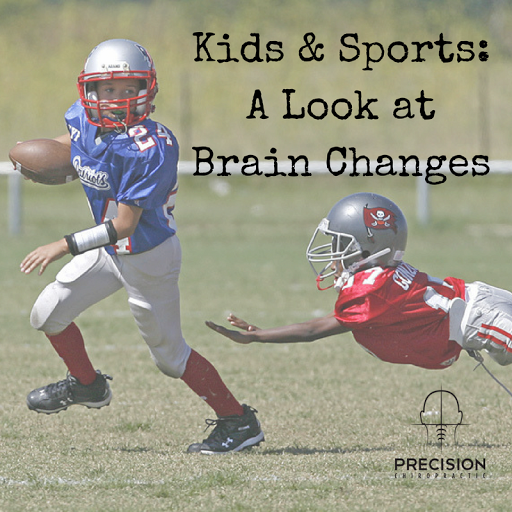
Kids & Sports: A look at Brain Changes

November 16, 2016 By Dr. Kevin Lin

footballkids

The NFL might get all the limelight when it comes to concussions and neck injuries, but it’s kids out on the sports field that should be getting more attention.  There are fewer than 2000 NFL players, and for every one of those, there are about 2000 kids playing youth football across the country.

You may have read in the news (here or here) about how players 8-13 years of age showed changes on MRI that were associated with a traumatic brain injury (TBI).  What makes this surprising is that none of the players showed any signs or symptoms of a concussion.

Neurons are delicate, and damage to them can accumulate over time even with injuries that aren’t severe enough to reach the level of a concussion.  The players in the study, who wore special helmets that were able to track impacts, showed changes in the white matter of their brains.  This is especially concerning since the white matter, which helps different parts of the brain communicate with each other, is still developing during this age.  Any changes in this normal development may have lifelong effects on other aspects of brain function, including behavior, cognitive function, and personality.

Protecting Our Kids

Despite what it may seem, this research was not a cry to put an end to football for children.  Rather, furthering our understanding of the types of changes that are taking place will only help to improve the safety of the game going forward.

Naturally, kids’ necks are not as strong as adults’ are, which puts kids at greater risk of injury.  The NFL has taken some steps in the right direction concerning concussion protocols, and doing simple things like knowing how to recognize the signs and symptoms of a concussion right away can lead to better outcomes for kids.  It’s also important to not be tempted by the “walk it off” attitude, and to take the time to discern if there might be more subtle signs to look for.

Working with young athletes in our practice, we take the same mindful approach as we do with adults.  Our goal is always to identify primary areas of Structural Abnormality within the spine and reintroduce strength and stability over time.  The number one reason for a Structural Shift in the spine is injury.  Kids are naturally resilient and do very well with NeuroStructural Chiropractic.  It’s not just about getting them back out on the field doing what they love, it’s about ensuring healthy brain function and development that will last a lifetime.

Filed Under: Blog Tagged With: Brain Health, Chiropractic, Concussions, Healthy Kids, Neurology

Which Health Model Works For YOU?

November 8, 2016 By Dr. Kevin Lin

models

“All models are wrong, but some are useful.” -George Box, British Mathematician

That’s how I see NeuroStructural Chiropractic. It isn’t the be-all and end-all of your healthcare needs. There are plenty of conditions that fall beyond what NeuroStructural Chiropractic is capable of taking care of but…. it’s still very useful.

What exactly is it useful for? At Precision Chiropractic, we don’t make claims of miracle cures. Do not come to us if you have an open wound that need stitches or if you need a broken bone that needs to be set.

Our belief is one that architects, engineers, designers, and mechanics all agree on:

Structure affects Function.

An abnormal Structural Shift within the spine not only causes secondary postural changes throughout the body but it also causes neurological deficits.

How do these neurological deficits show up in daily life?

Headaches

Migraines

Chronic Fatigue

Restlessness

Diarrhea/Constipation

Muscle weakness

Numbness and Tingling

If you have tried other models of healthcare, including chiropractic, and haven’t found the results that you want, then it is time to visit our office for a complimentary consultation. We will get to know you better and you will have a chance to know us better. You’ll learn about the different diagnostic tools that our models uses to identify the Structural Abnormality in your spine and how we can correct it.

Come and experience the Precision Chiropractic Difference.

Filed Under: Blog Tagged With: Chiropractic, Headaches, Health, Migraines, Neurology

  • Schedule a Consultation
  • Upper Cervical Chiropractic In Fernandina Beach
  • How Upper Cervical Chiropractic is Different
  • What is an Upper Cervical Misalignment?
  • Conditions We Commonly Evaluate
  • Is Upper Cervical Care Right for me?
  • What to Expect at Your Examination
  • Understanding Your Care Options
  • What Care at Precision Looks Like

Latest Blog Posts

The Energy Cost of an Inefficient Spine

Why you can be tired and sore at the same time — for no reason you can name You slept eight hours. You didn't lift … [Read More...]

When Anxiety Is More Than a Thought: The Connection Between Dysautonomia, Sympathetic Dominance, and the Upper Cervical Spine

When most people hear the word anxiety, they think of excessive worry, stressful thoughts, or an emotional reaction to … [Read More...]

more blog posts »

Location & Contact Info

Precision Chiropractic
1699 S. 14th Street, Unit 18,
Fernandina Beach, FL  32034

904.310.0064 or send us an email

  • Facebook
  • Twitter

What Our Patients Are Saying

Excellent
Precision Chiropractic4.9
Based on 236 reviews
See all reviews
review us on
Warren D
3 weeks ago
Kylene Globis
4 weeks ago
I started seeing Dr. Lin almost two years ago and the difference he has made with my headaches is truly remarkable. I had migraines often when I first started seeing him, and although my headaches haven’t fully subsided that’s partially due the physical position I’m in while doing my work; however, I find going once a week is incredibly helpful and makes it manageable. I can feel when I need an adjustment right away, and I immediately feel better every time. My quality of life has changed and it’s nice to have someone I fully trust that helps keep my head on straight so I can give care to my patients too! I’m grateful to the entire staff for always being so kind, welcoming, and working with my schedule! Thank you 🙏
Debbie McNamara
1 month ago
If you are struggling with cervical, back or shoulders issues I highly recommend Dr. Lin. I am very thankful to have found him. What really sets DrLin apart is his approach to chiropractic care. Rather than the traditional “cracking” or adjustments, he uses a specialized tool, a more scientific targeted approach. I have received tremendous improvement in my back pain. His staff is equally impressive. They are professional, kind and welcoming. I would absolutely recommend Dr. Lin and his team to any one looking for knowledgeable and compassionate chiropractic care. Debbie McNamara
Jeff Morrison
2 months ago
Excellent experience !! Dr. Lin explained the entire process up front and has followed through with a program that leaves me feeling better every session. The staff is friendly and professional. Would recommend them to anyone seeking overall healing .
Annika Forouzesh
2 months ago
If you’re pregnant, go see Dr. Lin! He is Webster certified and helped keep my body aligned throughout pregnancy so my baby could stay in an optimal position. A few times she shifted, and after an adjustment she’d be head down again within hours. I even went into labor about two hours after my last adjustment! Dr. Lin is so calm and gentle, and his entire team is wonderful. It honestly felt like visiting friends every week.
Clyde Miller
3 months ago
Jana Guynn
4 months ago
Chrystal Opheim
6 months ago
Kevin and his team do an amazing job. The environment in the office is always so relaxing, and everyone is professional, welcoming, and caring. I always have a great experience and would highly recommend them!
Tracy Hilton
6 months ago
Dr Lin and his staff are phenomenal! I originally came in a few years ago with unrelenting vertigo. After treatments to align my C1, no more vertigo. Keeping my neck in alignment set my body on a path to healing that has me feeling healthier than ever. So grateful! Highly recommend!
P F
6 months ago
Every time I leave this facility…I leave feeling better. Atmosphere, people, my Dr. results .. Try them, you’ll be glad you did.

Copyright © 2026 Precision Chiropractic, LLC · Log in