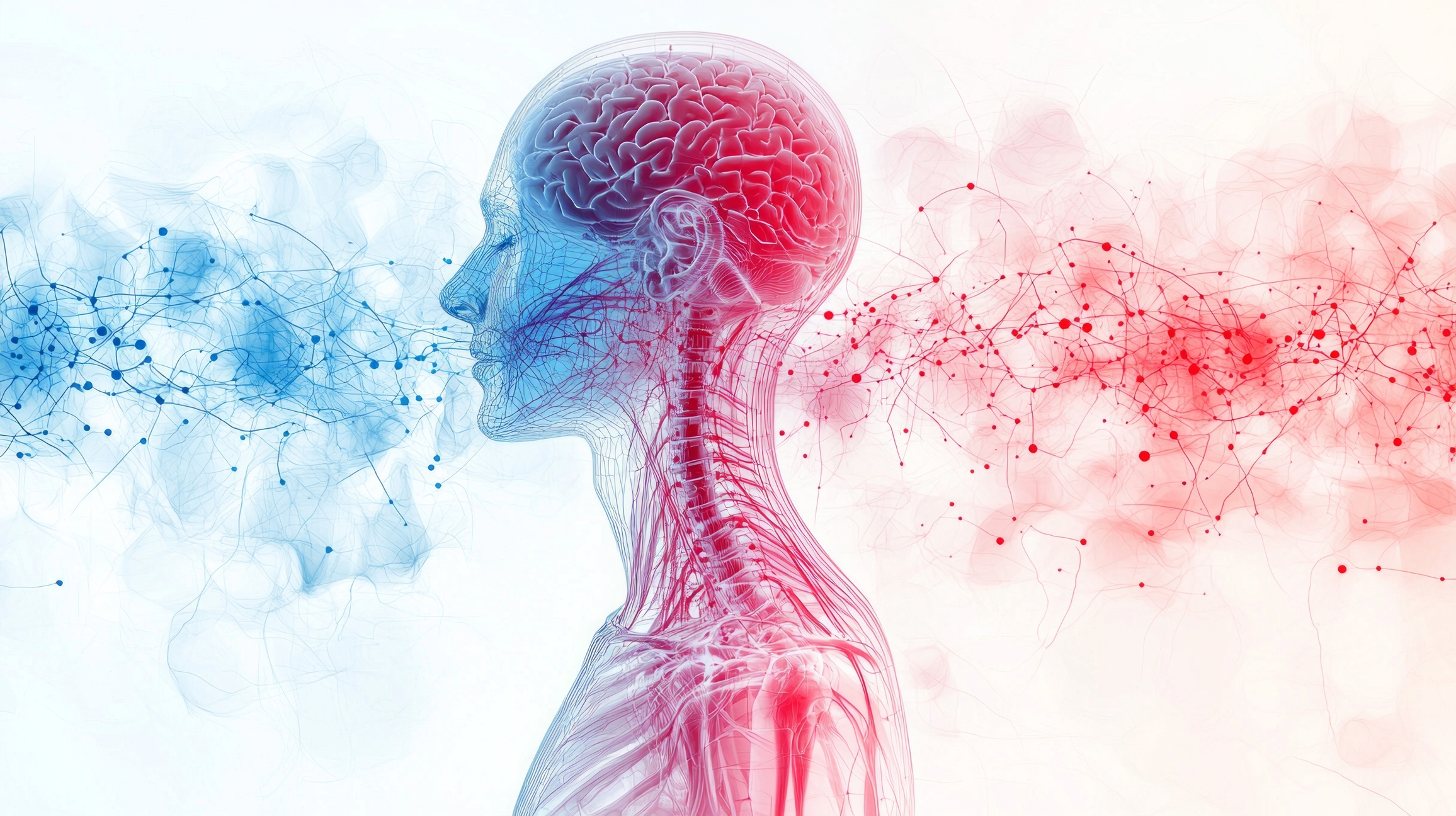
When most people hear the word anxiety, they think of excessive worry, stressful thoughts, or an emotional reaction to difficult circumstances. While those can certainly contribute, anxiety is not always generated entirely by the conscious mind.
Sometimes the body itself is producing signals of danger.
A racing heart, shallow breathing, dizziness, sweating, muscle tension, digestive disruption, trembling, and a sense of impending doom can all occur when the autonomic nervous system becomes dysregulated. The brain may then interpret these physical signals as evidence that something is wrong—even when no immediate threat exists.
Understanding this connection can change how we view anxiety and, in certain circumstances, may help explain why upper cervical care can be a valuable part of a broader approach.
What Is Dysautonomia?
The autonomic nervous system controls many of the functions that happen automatically, including heart rate, blood pressure, breathing, digestion, temperature regulation, sweating, and the body’s response to stress. Its major branches include the sympathetic and parasympathetic nervous systems.
The sympathetic nervous system prepares us to respond to a challenge. It increases heart rate, redirects blood toward the muscles, heightens awareness, releases stress hormones, and prepares the body to fight, flee, or protect itself.
The parasympathetic nervous system supports recovery. It helps slow the heart, regulate digestion, conserve energy, and return the body to a calmer baseline.
Neither system is good or bad. We need both. The problem develops when the nervous system struggles to move appropriately between activation and recovery.
Dysautonomia is a broad term describing abnormal regulation of these automatic functions. Depending on the individual, it may produce symptoms such as:
- Rapid or irregular heartbeat
- Dizziness or lightheadedness
- Exercise intolerance
- Abnormal sweating
- Digestive problems
- Fatigue
- Brain fog
- Temperature sensitivity
- Shakiness or internal trembling
- Feelings that closely resemble anxiety
Dysautonomia is not one single diagnosis. It includes several different conditions and patterns, which should be properly evaluated by an appropriate healthcare provider.
Sympathetic Dominance: When the Alarm System Stays On
The phrase sympathetic dominance is commonly used to describe a state in which the body spends too much time in a high-alert pattern and has difficulty returning to rest and recovery.
A sympathetically activated body may produce:
- A pounding or racing heart
- Rapid, upper-chest breathing
- Tightness in the neck, jaw, or shoulders
- Dilated pupils and increased vigilance
- Difficulty falling asleep
- Sensitivity to noise, crowds, or stimulation
- Digestive slowing
- Restlessness
- A persistent feeling that something bad is about to happen
These sensations are remarkably similar to the symptoms of anxiety.
This creates a difficult feedback loop:
The nervous system activates.
The body produces alarming sensations.
The brain notices those sensations and interprets them as danger.
That interpretation further activates the nervous system.
Over time, the person may become increasingly focused on changes in heart rate, breathing, balance, or internal sensations. The anxiety is real, but the process may be flowing in both directions: thoughts affect physiology, and physiology affects thoughts.
“Is It Anxiety, or Is It Dysautonomia?”
Sometimes it can be both.
Postural orthostatic tachycardia syndrome, or POTS, provides a useful example. People with POTS may experience tachycardia, palpitations, trembling, dizziness, weakness, and shortness of breath when standing. These symptoms can resemble a panic attack, and POTS is sometimes initially mistaken for an anxiety disorder. However, research emphasizes that POTS is not simply caused by anxiety.
Certain patients with POTS have a hyperadrenergic pattern involving increased sympathetic activity and symptoms such as tachycardia, tremor, elevated blood pressure, palpitations, and anxiety-like sensations.
This does not mean that every person with anxiety has dysautonomia. It means that physical symptoms should not automatically be dismissed as “just stress,” particularly when they are triggered by standing, exertion, eating, heat, illness, injury, or changes in head and neck position.
Where Does the Upper Cervical Spine Fit In?
The upper cervical spine includes the atlas and axis—the first two vertebrae beneath the skull. This region supports the head and surrounds the upper portion of the spinal cord near the brainstem.
The upper neck also contains a dense network of joints, muscles, ligaments, and sensory receptors that continuously provide the brain with information about head position, movement, balance, and body orientation.
When the upper cervical region has been injured or is functioning poorly, especially following whiplash, falls, repetitive strain, concussion, or other trauma, it may create several potential stressors:
- Persistent neck pain or irritation
- Altered sensory information from the joints and muscles
- Abnormal muscular guarding
- Headaches or dizziness
- Changes in balance and spatial orientation
- Increased physical vigilance
- Difficulty relaxing because the body continues to perceive mechanical stress
These problems can increase the overall load being placed on an already sensitive nervous system.
Upper cervical care is not a direct treatment for an anxiety disorder, nor should it replace appropriate psychological, medical, or psychiatric care. However, when a patient’s anxiety-like symptoms occur alongside neck injury, headaches, dizziness, balance problems, pain, or other signs of upper cervical dysfunction, carefully applied care may help address one of the physical contributors keeping the nervous system on alert.
Can Spinal Care Influence the Autonomic Nervous System?
Research suggests that spinal manipulation and other forms of manual care can produce measurable short-term changes in autonomic nervous system activity. Studies have examined outcomes such as heart-rate variability, skin conductance, blood pressure, norepinephrine, and other physiological markers.
However, the findings are mixed. A 2024 systematic review concluded that spinal manipulation may influence autonomic activity, but the size and direction of the effects varied, and the quality of the available evidence limits firm conclusions.
Other systematic reviews have similarly reported possible autonomic effects while emphasizing the need for better-quality clinical research and a clearer connection between short-term physiological changes and meaningful long-term patient outcomes.
This distinction is important.
It would be inaccurate to claim that an upper cervical adjustment “cures anxiety” or universally resets the autonomic nervous system. It is more reasonable to say that upper cervical care may help some appropriately selected patients by reducing mechanical irritation, improving neck function, decreasing pain, and potentially changing some of the sensory input the nervous system is receiving.
Who May Benefit Most?
Upper cervical evaluation may be particularly reasonable when anxiety or sympathetic symptoms developed or worsened alongside:
- A concussion or head injury
- Whiplash or a car accident
- A fall or sports injury
- Chronic upper-neck tension
- Headaches originating from the neck
- Dizziness or disequilibrium
- Difficulty tolerating movement or busy visual environments
- A persistent feeling of being physically “on edge”
- Symptoms that appear to change with posture or neck position
In these cases, the goal is not to tell the patient that anxiety is “all in the neck.” The goal is to determine whether dysfunction in the upper cervical region may be adding stress to the system.
A More Complete Approach
Anxiety is rarely explained by one factor alone. Genetics, life experiences, trauma, sleep, hormones, medications, nutrition, pain, inflammation, breathing patterns, relationships, and autonomic regulation can all play a role.
For that reason, the best approach is often collaborative.
Depending on the patient, care may include:
- Medical evaluation for dysautonomia or other underlying conditions
- Counseling or cognitive behavioral therapy
- Appropriate medication
- Sleep improvement
- Hydration and nutritional support
- Gradual physical conditioning
- Breathing and relaxation training
- Treatment of pain or injury
- Upper cervical care when clinically indicated
Chest pain, fainting, severe shortness of breath, new neurological symptoms, or a persistent abnormal heart rate should be medically evaluated rather than assumed to be anxiety.
The Central Message
Anxiety is not imaginary, and it is not always simply a failure to control one’s thoughts.
In some people, the body’s alarm system is producing powerful physical signals that the mind naturally interprets as danger. Dysautonomia and excessive sympathetic activation can contribute to this process, creating a cycle in which the body and brain continually reinforce one another.
Upper cervical care is not appropriate for every person with anxiety. But when anxiety-like symptoms coexist with upper-neck dysfunction, injury, headaches, dizziness, or other neurological and mechanical symptoms, a careful upper cervical evaluation may reveal an important piece of the puzzle.
The purpose of care is not to suppress the body’s alarm system. It is to identify and reduce unnecessary sources of stress so that the nervous system has a better opportunity to adapt, regulate, and recover.